All News
Pesticides, chemicals used to kill or control pests, play a significant role in modern agriculture and pest management. However, their widespread use raises serious environmental concerns. This article examines the impact of pesticides on the environment and the ongoing efforts to mitigate these effects.
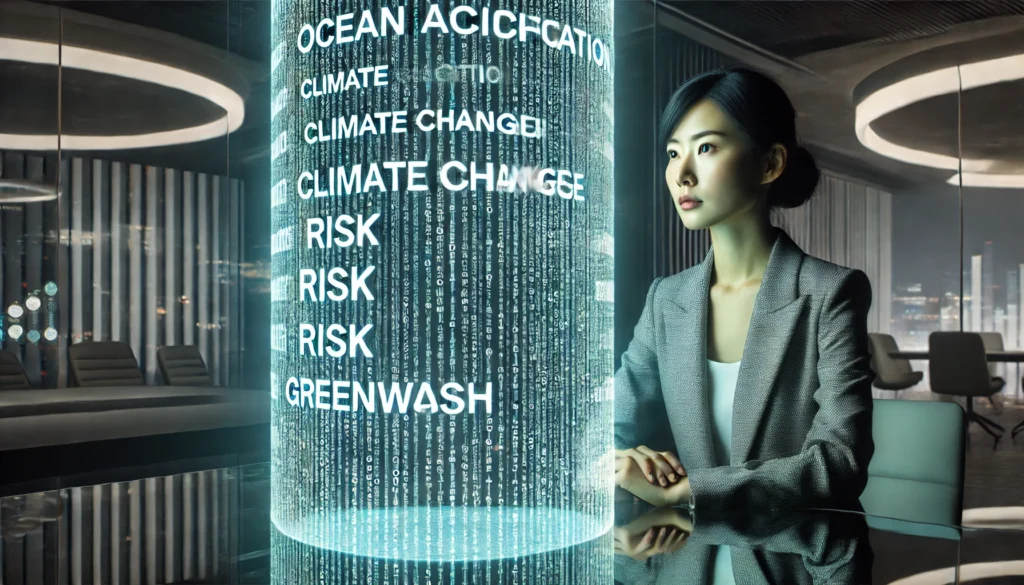
Ocean acidification, often referred to as the ‘other CO2 problem’, is a less discussed but equally critical consequence of increased carbon dioxide emissions. This process is gradually altering the chemistry of the world’s oceans, posing significant threats to marine ecosystems and the human populations that depend on them.
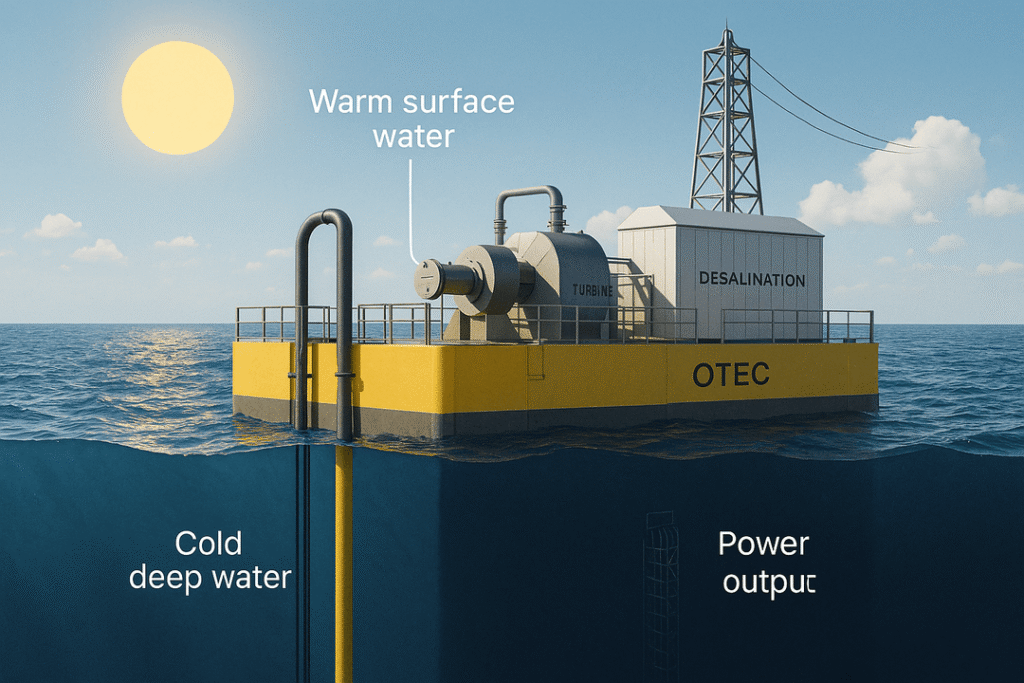
The transition to renewable energy sources is a pivotal movement in the global effort to combat climate change and reduce our dependence on fossil fuels. This shift, driven by technological advancements, environmental awareness, and policy changes, is redefining how nations produce and consume energy.
Artificial Intelligence (AI) is revolutionizing the field of environmental conservation, offering innovative solutions to some of the most pressing environmental challenges. From monitoring wildlife populations to predicting climate change impacts, AI’s role in conservation is becoming increasingly vital.
The race against extinction is a critical battle in preserving the planet’s biodiversity. Endangered species, those at a high risk of vanishing from our planet, are indicators of the health of our ecosystems. This article explores the causes, implications, and efforts surrounding the conservation of these precious life forms.
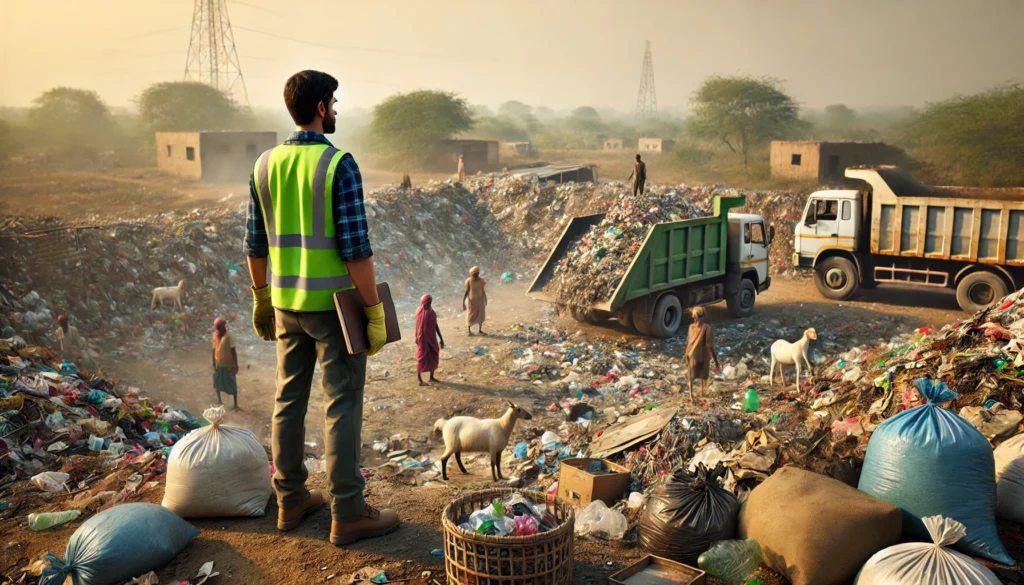
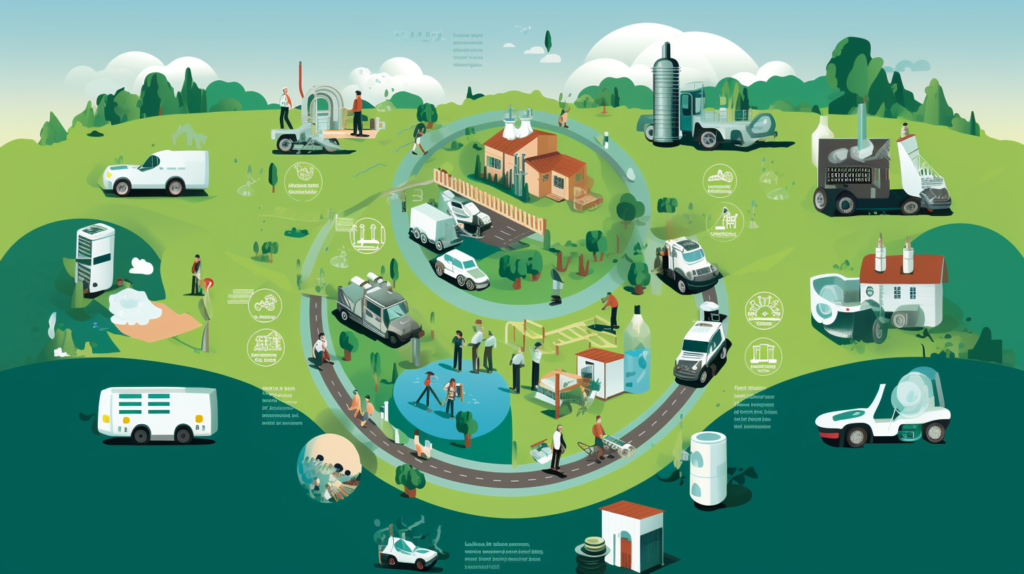
Waste management is a critical global challenge that impacts environmental health, human well-being, and sustainability. As the world’s population grows and consumption patterns change, the amount of waste generated also increases, necessitating more effective and innovative waste management solutions.