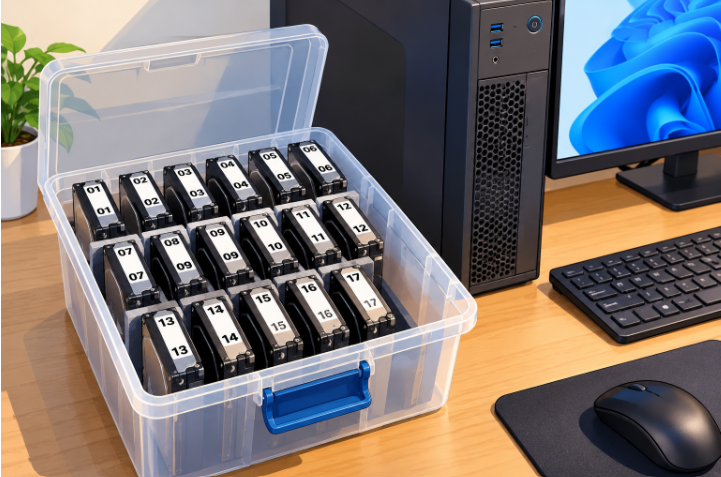
An issue many AI tutorials overlook is that your agent is only as good as the data it can reach, and right now your data is a mess. Before you buy a mini PC, before you download a single model, before you write your first prompt — you have to confront the box.
Dedup first. Seventeen hard drives means seventeen overlapping copies of your working life. The same report lives on three drives with four names. The backup of the backup of the 2016 stakeholder consultation is eating space next to the real one. Deduping is not glamorous, but it is where your intellectual property actually gets captured — because a file that exists in five copies is a file you don’t truly control, and a file you can’t find might as well not exist. Run a dedup pass as you consolidate drives onto one working archive: hash-based duplicate finders will catch byte-identical files; a careful review pass catches the “final_v2_REALfinal” versions. Keep the canonical copy, note the rest, consider deletion only after backup and a successful restore test.
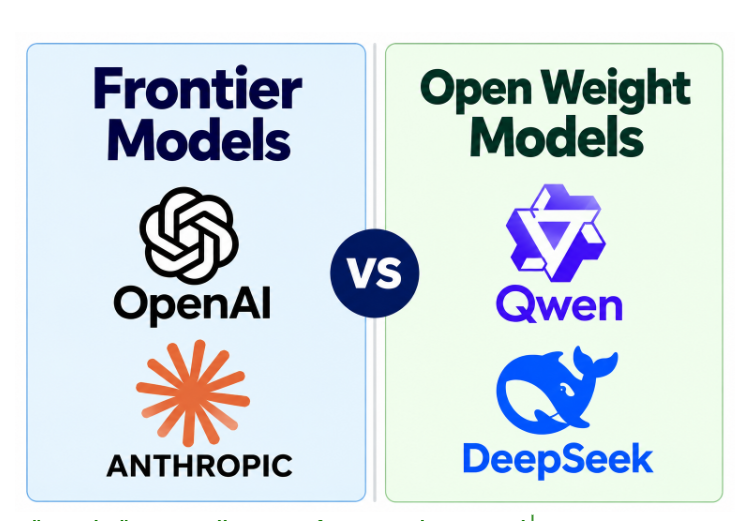
Why this matters more than the model. Every year you let this data sit scattered is another year your expertise is locked in cold storage while general-purpose AI — trained on everyone else’s data — races ahead. Your competitive advantage in this new era is not access to frontier models. Everyone has that. It is the corpus: two decades of site assessments, monitoring datasets, regulatory correspondence, failed pilots, and hard-won lessons that exist nowhere else on Earth. That is your IP. Untangling it is not a chore — it is asset recovery.
And do it yourself. Uploading everything to a cloud drive and letting someone else’s AI index it for you. But that means your life’s work — your clients’ data, your unpublished findings, your negotiating positions — may be processed or retained under provider-specific terms. Keeping the archive local, on your machine, behind your router, is not paranoia. It is simply what “ownership” means. Local processing reduces exposure, but access controls and backups remain essential.
So: one box of drives in, one deduplicated, structured archive out. Then the AI starts. Data first, models second — always.