You have probably used the ChatGPT app or Claude. If so, you have already touched the most visible part of AI. But the landscape is moving fast, and understanding a few key terms will help you stay ahead.
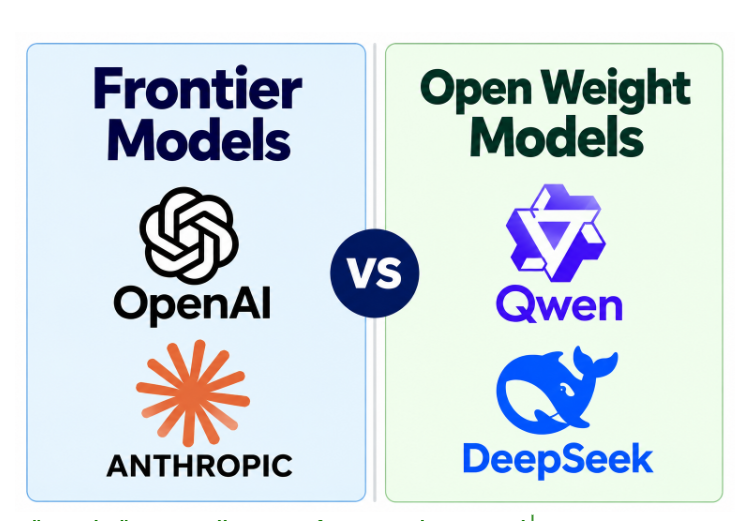
“Frontier” AI refers to the most capable models available today — the ones pushing the limits of reasoning, analysis, and writing. Open-weight models are different: their internal parameters are publicly released, meaning anyone can download, inspect, and adapt them. For sustainability professionals, this matters. Open-weight models can run on your own infrastructure, keeping sensitive project data in-house — no third-party servers, subject to local security and data-protection obligations.
This is where the “home lab” comes in. You do not need a data center. A modern desktop with a good GPU, or even a modest server, can run capable open models locally. Your home lab becomes a sandbox: test prompts, search your own reports using retrieval, prototype workflows, all before rolling anything out professionally. It is the difference between renting AI and truly owning your AI capability.
Practical next steps: first, identify one repetitive task in your work — grant summaries, ESG data cleaning, stakeholder communications. Second, experiment with a free, open model on your own machine. Third, build a small library of prompts tuned to your domain.
For environmental professionals, the useful skill is knowing which tasks AI can support, what information it can access and how to check the results.