You have probably used the ChatGPT app or Claude. If so, you have already touched the most visible part of AI. But the landscape is moving fast, and understanding a few key terms will help you stay ahead.
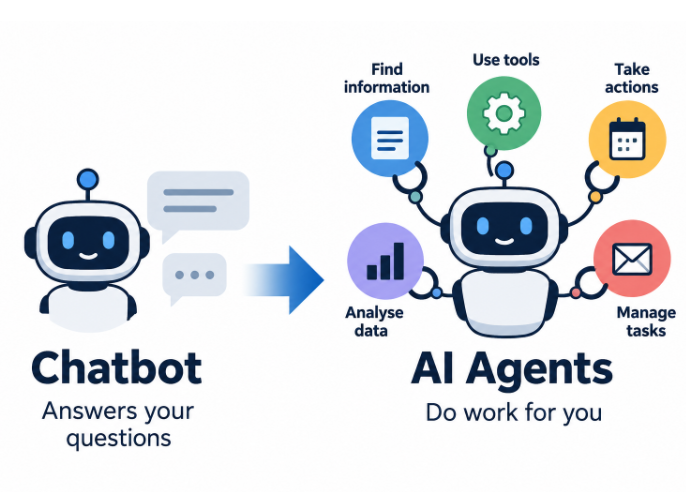
A chatbot answers. An agent can take an action: search a folder, inspect a website, run a calculation or prepare a draft for review. The difference is access to tools, not a claim that the model has become an employee.
Both — and the split matters more than most people realize. The model itself doesn’t learn from your conversations. Once training finishes, the model’s knowledge is frozen.
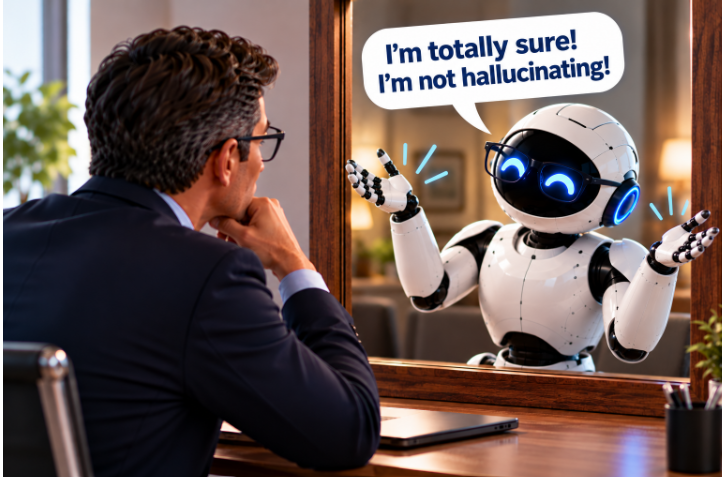
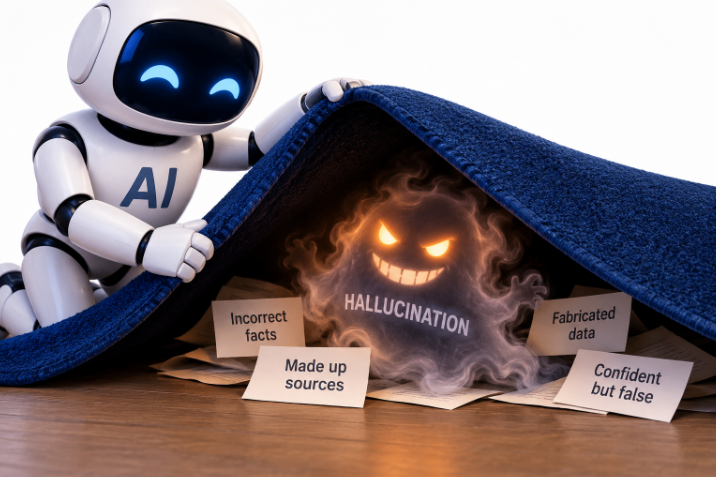
Ask an AI for emissions factors and it may return a convincing table with the wrong numbers. Ask for a regulation and it may invent a clause. A fabricated citation often looks exactly like a real one.
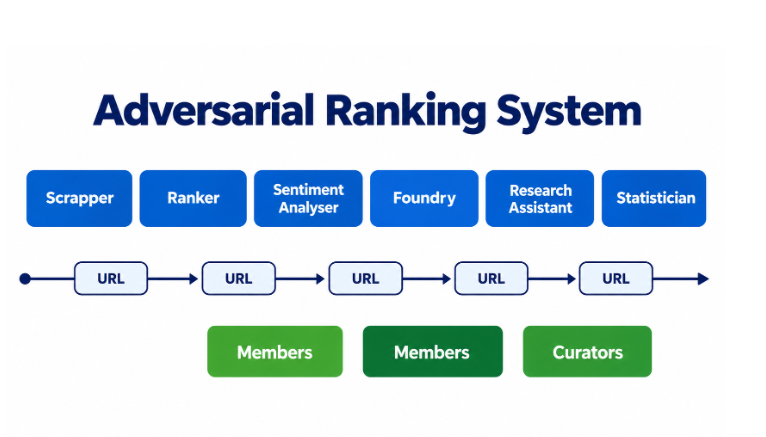
we looked at why guardrails cannot guarantee that an AI answer is correct. Someone followed up: what about the checker itself — the second AI that attacks the draft? Doesn’t that solve it?
Too many NGO reports fail on basic facts. A statistic from a 2011 study presented as current. A figure cited to a report that never contained it. Correlation read as causation. Impact claims that crumble under one follow-up question from a funder.
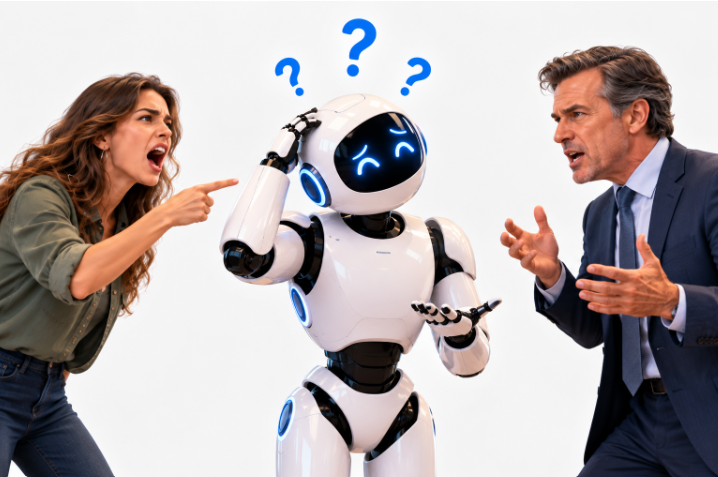
A social-media influencer posts that a new waste-to-energy plant is “a toxic disaster”. A manufacturer calls the same technology “zero-emission”. A consultant searches the subject and finds both statements beside research papers
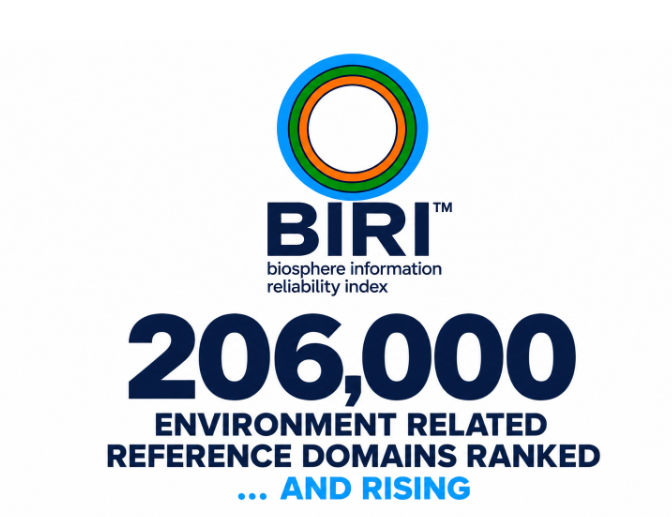
BIRI™ began with a seed network of approximately 2,850 environmental reference domains. These were not randomly harvested web addresses: they provided the starting points for discovering other organisations