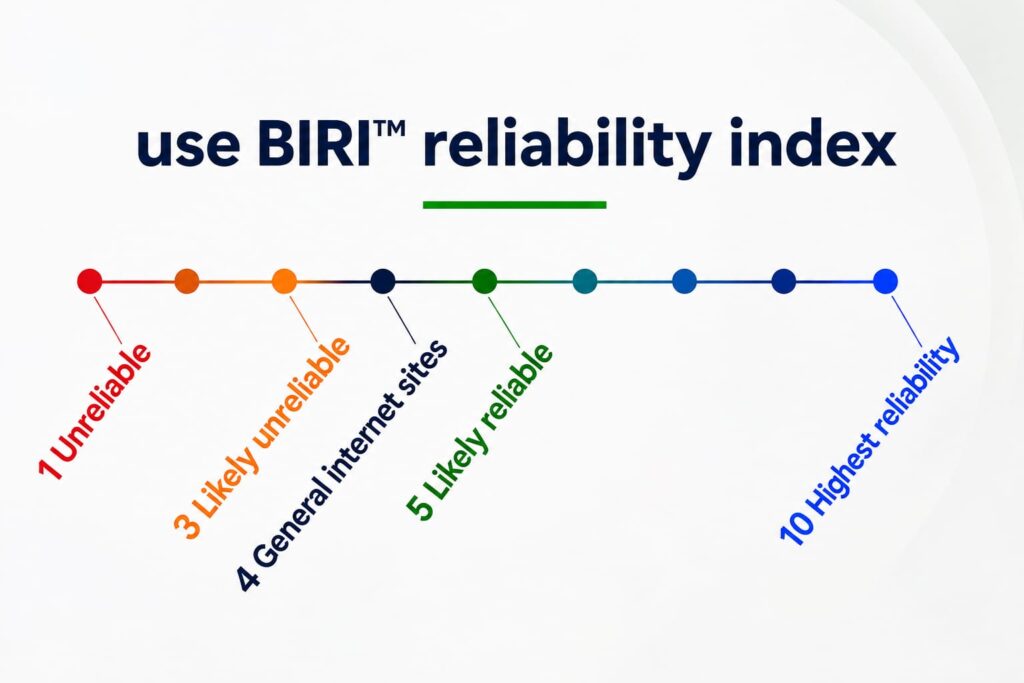
BIRI™ separates three things that search engines often blur: whether a domain is relevant, how reliable the source appears to be and whether a particular claim is correct.
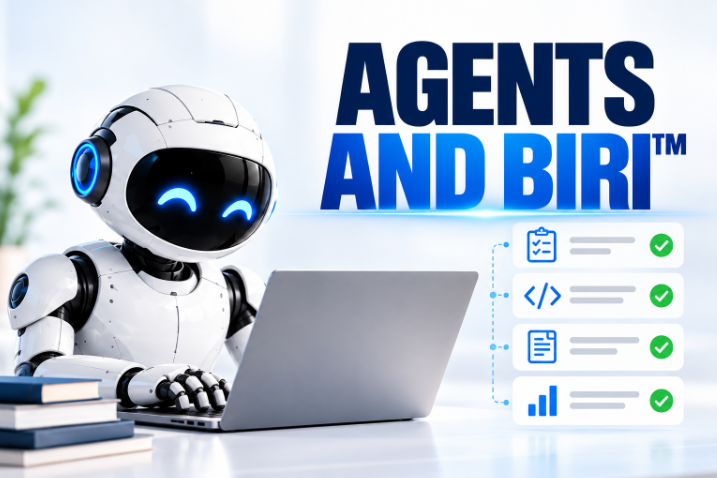
BIRI™ Research Assistant is intended to make environmental research more useful than a general web search. It draws attention to sources and their reliability context rather than simply returning a fluent answer.
An issue many AI tutorials overlook is that your agent is only as good as the data it can reach, and right now your data is a mess. Before you buy a mini PC, before you download a single model, before you write your first prompt — you have to confront the box.
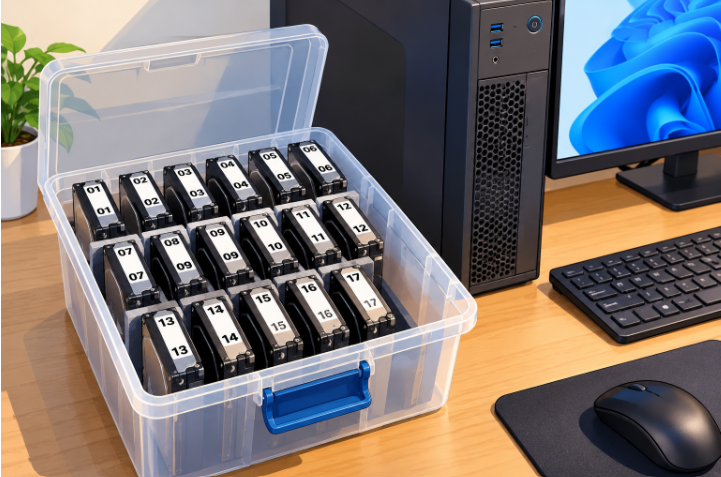
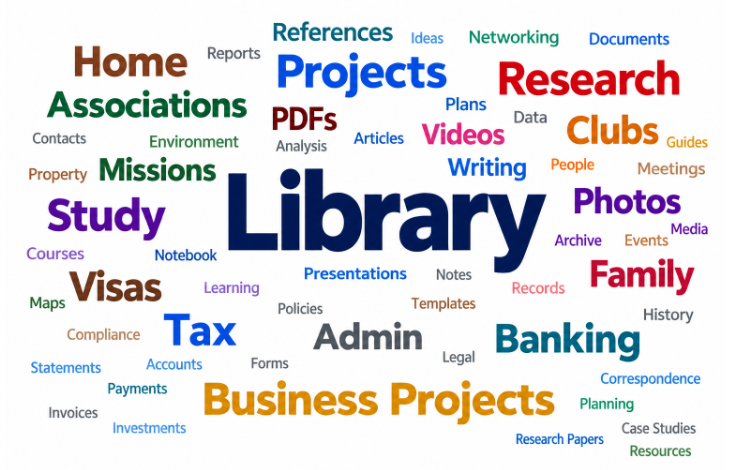
We had a collection of old drives and a familiar problem: duplicates, inconsistent folder names, different versions of the same report and no reliable inventory.
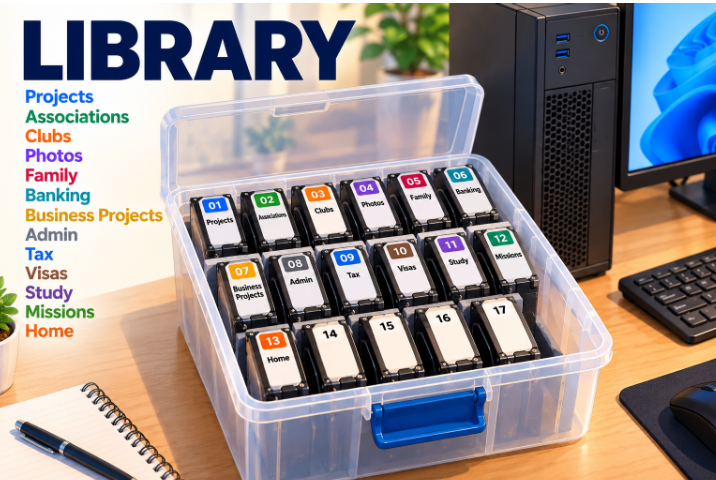
Deduping was the rescue operation. Now comes the harder, quieter work: turning that rescued archive into something an AI agent can actually navigate — and more importantly, something you can trust.
Development and environmental consultants hold a specific kind of data: interviews, surveys, and records from communities — often rural, often vulnerable, often collected with good intentions and thin paperwork.
Everything we’ve built — the archive, the knowledge base, the Foundry — lives on machines in your office. One theft, one fire, one failed drive, and it’s gone. Backup isn’t overhead. It’s the business.
A consultant has ten years of project reports in cloud storage, email with client attachments, a contact list and a chatbot connected to both. Losing access to one account could disrupt much more than AI.
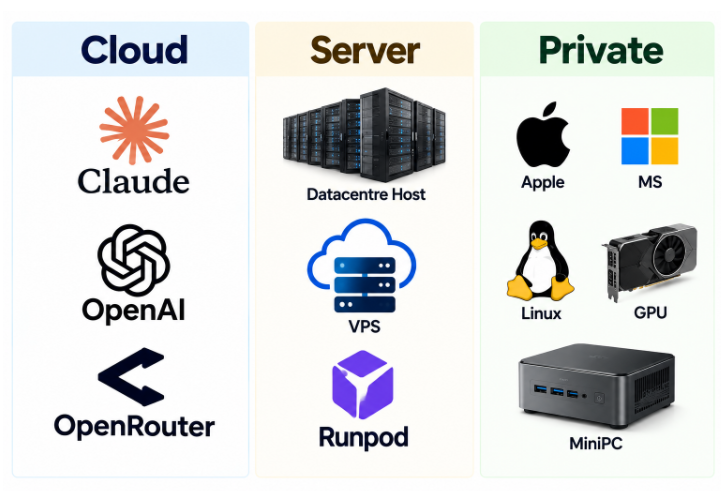
Once your archive is organized and cleaned, you face a real choice: where does your AI actually run? The landscape splits into three doors — Cloud, Server, and Private. Each is right for some jobs and dangerous for others.
If your email, documents, photographs, contacts and backups all sit with one provider, moving away can look impossible. Usually it is not impossible. It is just a job that needs to be broken into pieces.
Add up your subscriptions. AI tools, file storage, project management, document editing, password managers. For a small firm, SaaS fees are now a real line item — and they only move one direction.