Foundry began with a practical problem: how can a small consultancy reuse its own reports, spreadsheets and project experience without starting every assignment from a blank page?
The first build did not deliver a dependable working product. Some parts looked promising in tests, but the overall arrangement became difficult to operate and recover. We rejected work that did not meet the requirement rather than presenting a demonstration as a production service.
The recovery is more disciplined. Start with a specification describing one assignment: what information may be read, what output is required, who approves it and what evidence must be retained. Use synthetic test documents first. Check that the system can resume after interruption, that changes are traceable and that a human can reject an output without damaging the source archive.
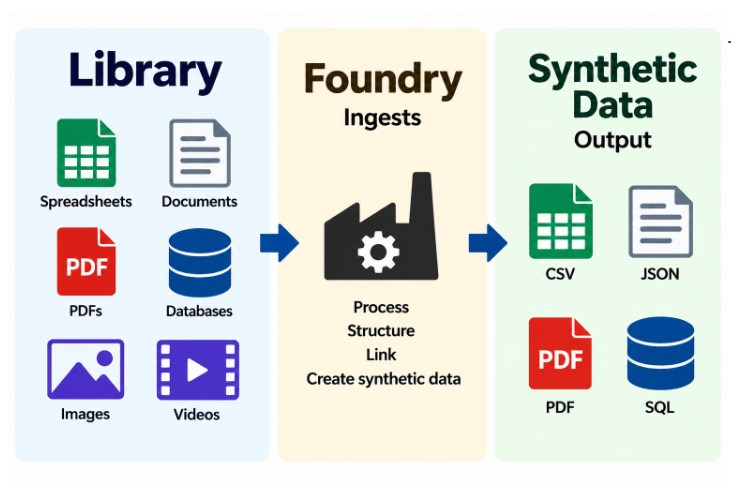
The intended Foundry workflow is to search authorised material, assemble a referenced working draft and pass it through review. BIRI™ may help assess public reference sources. Specialist analysis and independent checking are separate stages. None of this makes a 25-page report in an initial run an established production result.
The real test will be whether a consultant can use the draft, trace the evidence and recover cleanly when something fails. Until then, Foundry is development work, not a product being offered to members.
Article 39 shows what the proposed workflow could look like for a five-person practice. It is an illustration, not a completed client engagement.