AI and Wildlife Conservation
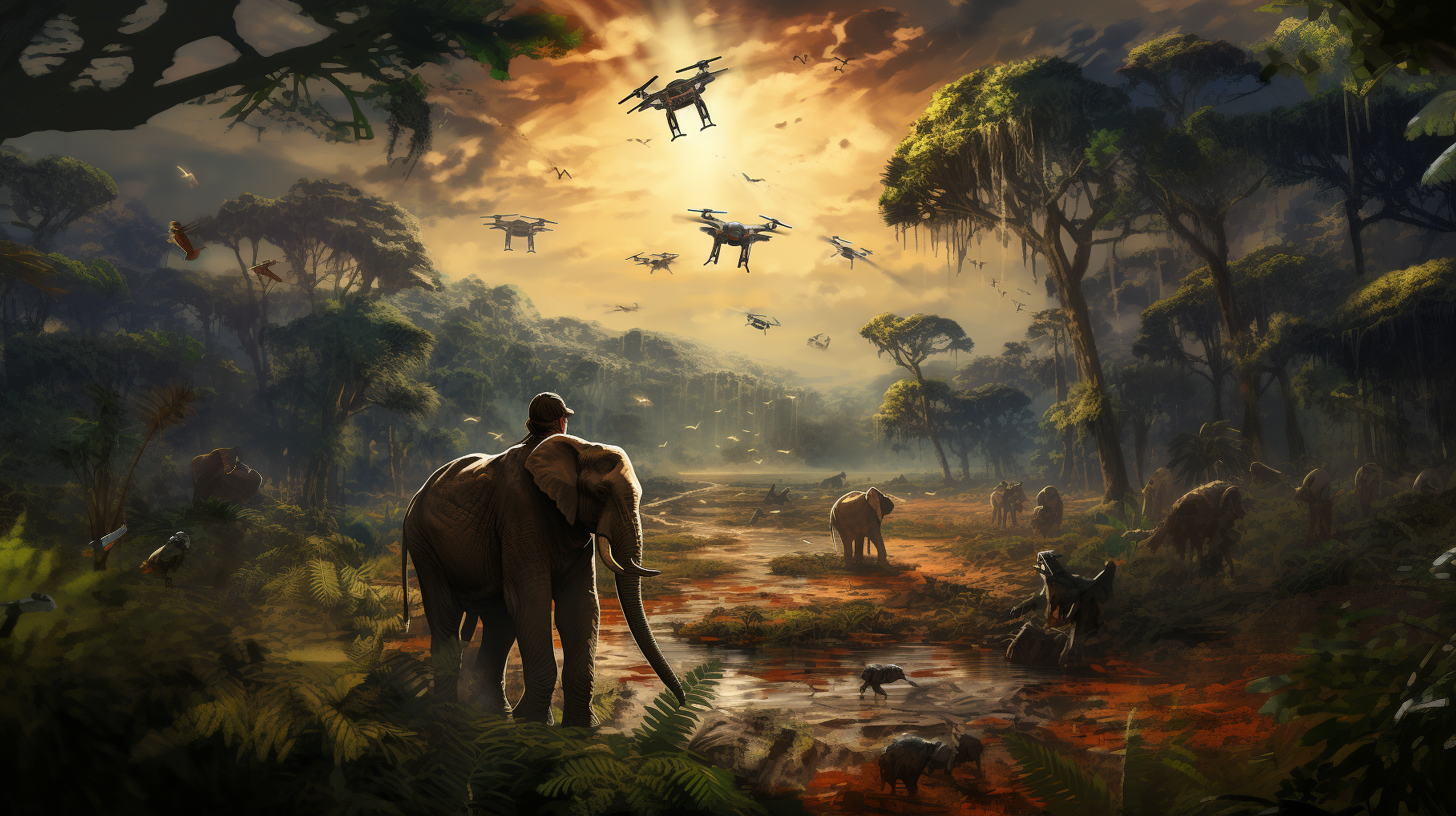
AI technologies are being used to monitor and protect wildlife. By analyzing data from camera traps, drones, and satellites, AI can identify species, track their movements, and monitor their populations. This helps in anti-poaching efforts and understanding wildlife behavior.
Climate Change Predictions and Modeling
AI is a powerful tool in climate science. It can process vast amounts of environmental data to model climate change scenarios, predict extreme weather events, and help in understanding the potential impacts of climate change on various ecosystems.
Managing Natural Resources
AI assists in the sustainable management of natural resources such as forests, water, and fisheries. For example, AI-driven analysis of satellite images can help in monitoring deforestation, while AI models can optimize water usage in agriculture, reducing waste and conserving water.
Pollution Monitoring and Control
AI systems are effective in monitoring and controlling pollution. They can analyze data from air and water quality sensors to identify pollution sources and patterns, helping in the implementation of targeted pollution control measures.
Biodiversity and Ecosystem Health
AI helps in assessing and monitoring biodiversity and ecosystem health. By analyzing images and sounds from natural habitats, AI can identify changes in biodiversity and provide early warnings of ecosystem degradation.
Challenges and Barriers
Despite its potential, the application of AI in environmental conservation faces challenges. These include the need for quality data, high costs of technology, and the requirement of interdisciplinary collaboration between technologists and conservationists.
Ethical Considerations and AI Bias
Ethical considerations and potential biases in AI algorithms are important issues. Ensuring that AI solutions are developed and implemented responsibly, with an understanding of ecological and social contexts, is essential.
The Future of AI in Conservation
The future of AI in environmental conservation looks promising. With advancements in technology and increased awareness of environmental issues, AI has the potential to significantly contribute to global conservation efforts.
Conclusion
AI offers transformative solutions in the field of environmental conservation. By harnessing the power of AI, we can gain deeper insights into the natural world, make more informed conservation decisions, and take effective action to protect our planet’s ecosystems.