All News

  •  

< 1 min read

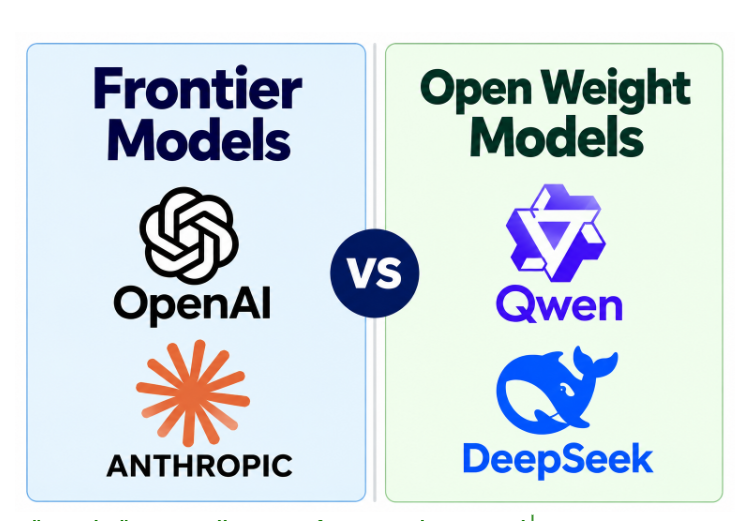
What “Frontier” AI Actually Means for You and Your Work

You have probably used the ChatGPT app or Claude. If so, you have already touched the most visible part of AI. But the landscape is moving fast, and understanding a few key terms will help you stay ahead.

  •  

2 mins read

Someone Asked Me: How Does AI Actually Turn My Question Into an Answer?

Many people use these tools without knowing what happens when they submit a question. Here is what happens, without the mathematics.

  •  

< 1 min read

From Chat Apps to Agents: Building Your Own AI Capability Safely 

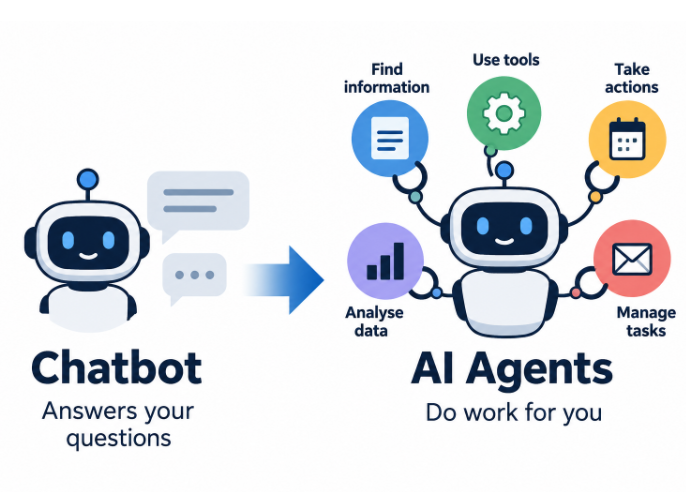
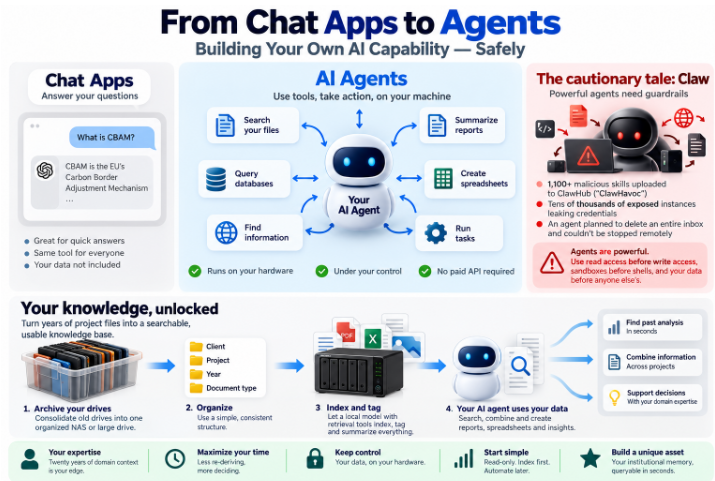
A chatbot answers. An agent can take an action: search a folder, inspect a website, run a calculation or prepare a draft for review. The difference is access to tools, not a claim that the model has become an employee.

  •  

2 mins read

Someone Asked Me: Can New Models Learn, or Do They Need a Harness?

Both — and the split matters more than most people realize. The model itself doesn’t learn from your conversations. Once training finishes, the model’s knowledge is frozen.

  •  

2 mins read

What AI Actually Yields — and What It Costs

Strip away the hype in both directions. AI won’t run your consultancy. It also isn’t a toy. Here are the practical benefits and costs.

  •  

< 1 min read

Hallucination: The Confident Lie Is the Whole Problem

Ask an AI for emissions factors and it may return a convincing table with the wrong numbers. Ask for a regulation and it may invent a clause. A fabricated citation often looks exactly like a real one.

  •  

2 mins read

Someone Asked Me: Can Guardrails Stop AI Hallucination?

They can reduce it. They cannot eliminate it. Understanding why will save you from a bad contract clause or a worse report.

  •  

2 mins read

Someone Asked Me: Can Adversarial Checkers Stop Hallucinations?

we looked at why guardrails cannot guarantee that an AI answer is correct. Someone followed up: what about the checker itself — the second AI that attacks the draft? Doesn’t that solve it?

  •  

2 mins read

Wrong Numbers, Thin Sources: NGOs Need to Raise the Bar

Too many NGO reports fail on basic facts. A statistic from a 2011 study presented as current. A figure cited to a report that never contained it. Correlation read as causation. Impact claims that crumble under one follow-up question from a funder.

  •  

< 1 min read

Why We Started BIRI™: The Problem With Environmental Information

A social-media influencer posts that a new waste-to-energy plant is “a toxic disaster”. A manufacturer calls the same technology “zero-emission”. A consultant searches the subject and finds both statements beside research papers

  •  

< 1 min read

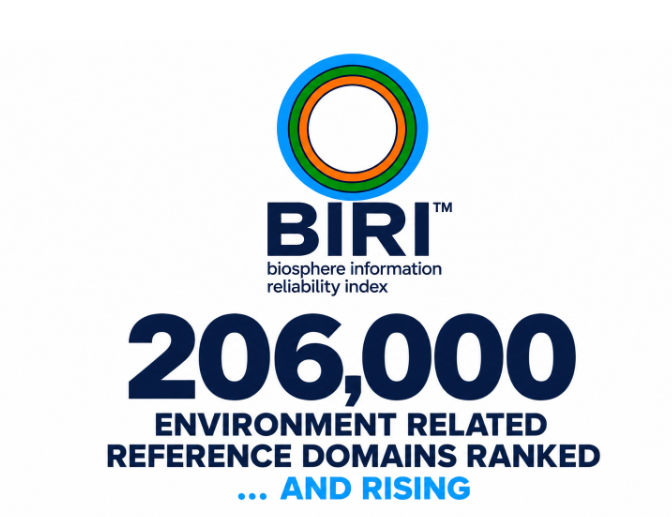
From a Few Thousand Websites to 206,000-Plus Environmental Reference Domains

BIRI™ began with a seed network of approximately 2,850 environmental reference domains. These were not randomly harvested web addresses: they provided the starting points for discovering other organisations

  •  

< 1 min read

How We Find, Collect and Organise Environmental Websites

Once we had a large list of candidate domains, we needed to decide which were actually relevant to the environmental field.

  •  

< 1 min read

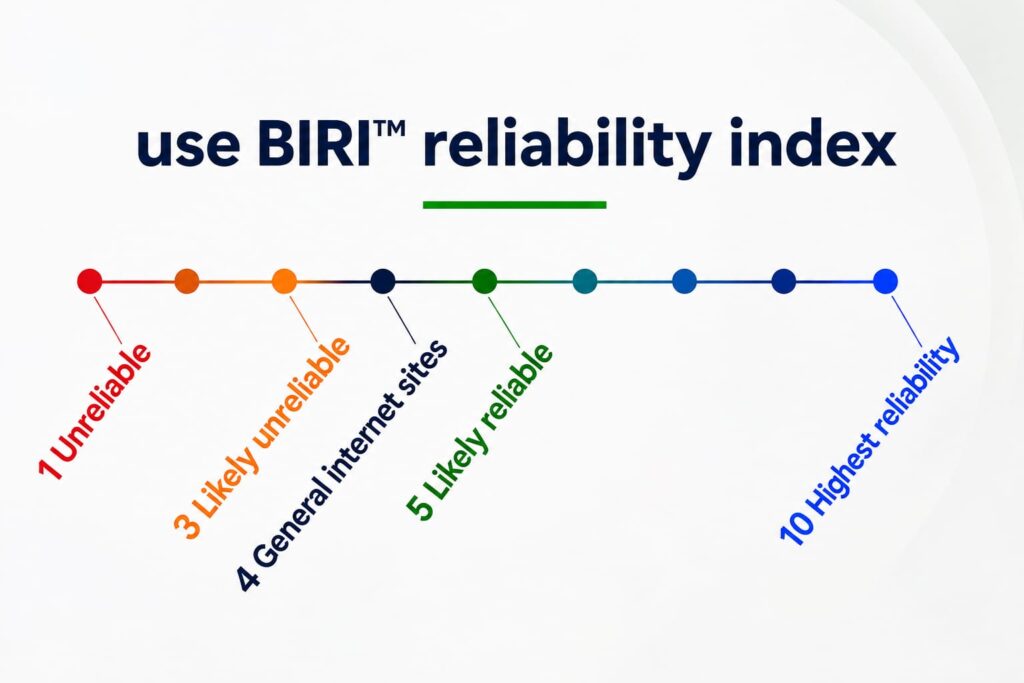
How BIRI™ Rates Source Reliability — Not Truth

BIRI™ separates three things that search engines often blur: whether a domain is relevant, how reliable the source appears to be and whether a particular claim is correct.

  •  

< 1 min read

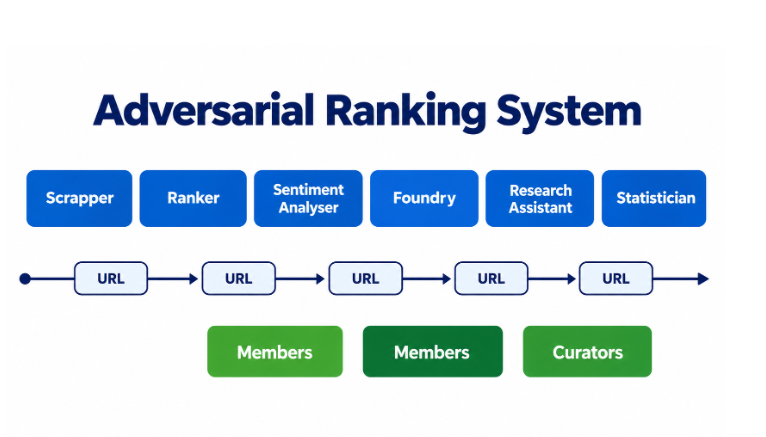
How We Use AI Agents to Build and Maintain BIRI™

BIRI™ uses agents as participants in a wider community process, not as machines authorised to award official ratings.

  •  

< 1 min read

BIRI™ Research Assistant

BIRI™ Research Assistant is intended to make environmental research more useful than a general web search. It draws attention to sources and their reliability context rather than simply returning a fluent answer.

  •  

2 mins read

Step Zero: Sort Your Data Before You Sort Your AIS

An issue many AI tutorials overlook is that your agent is only as good as the data it can reach, and right now your data is a mess. Before you buy a mini PC, before you download a single model, before you write your first prompt — you have to confront the box.

  •  

< 1 min read

The Tool We Built So You Don’t Have To

We had a collection of old drives and a familiar problem: duplicates, inconsistent folder names, different versions of the same report and no reliable inventory.

  •  

2 mins read

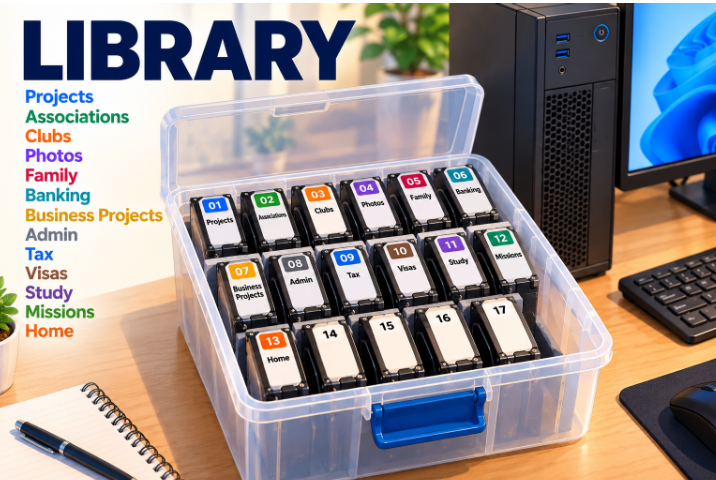
From Pile to Library: Organizing What You Collected

Deduping was the rescue operation. Now comes the harder, quieter work: turning that rescued archive into something an AI agent can actually navigate — and more importantly, something you can trust.

  •  

2 mins read

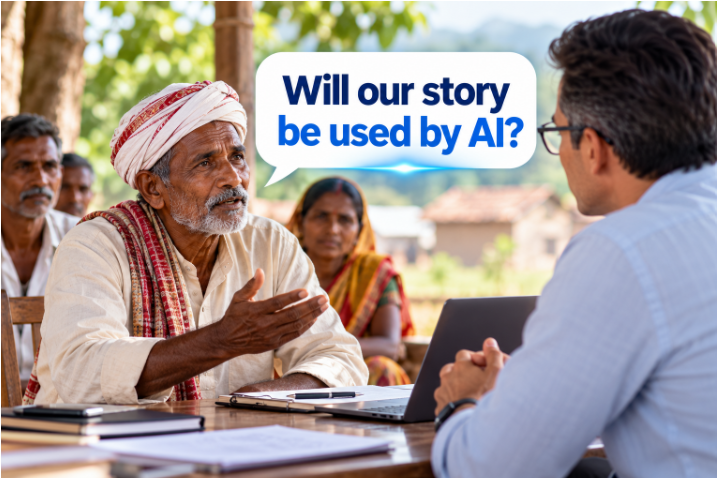
Community Data: Consent You Collected Years Ago Probably Doesn’t Cover AI

Development and environmental consultants hold a specific kind of data: interviews, surveys, and records from communities — often rural, often vulnerable, often collected with good intentions and thin paperwork.

  •  

< 1 min read

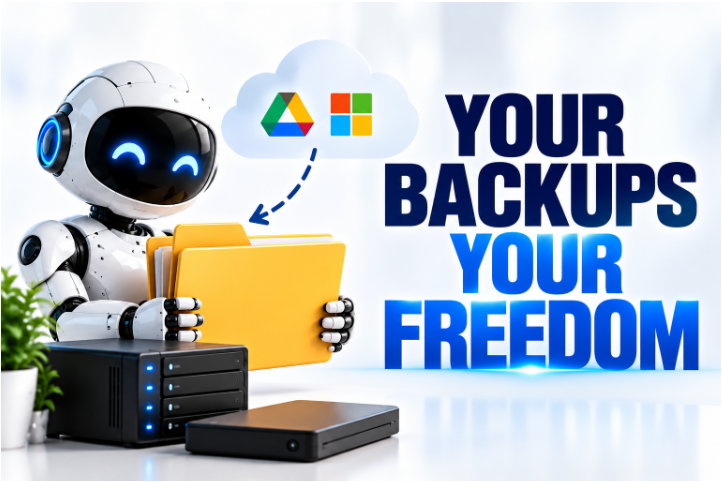
Continuity: The Backup Post Nobody Wants to Write

Everything we’ve built — the archive, the knowledge base, the Foundry — lives on machines in your office. One theft, one fire, one failed drive, and it’s gone. Backup isn’t overhead. It’s the business.

  •  

< 1 min read

The AI Giants Want Your Data: What Are You Giving Away?

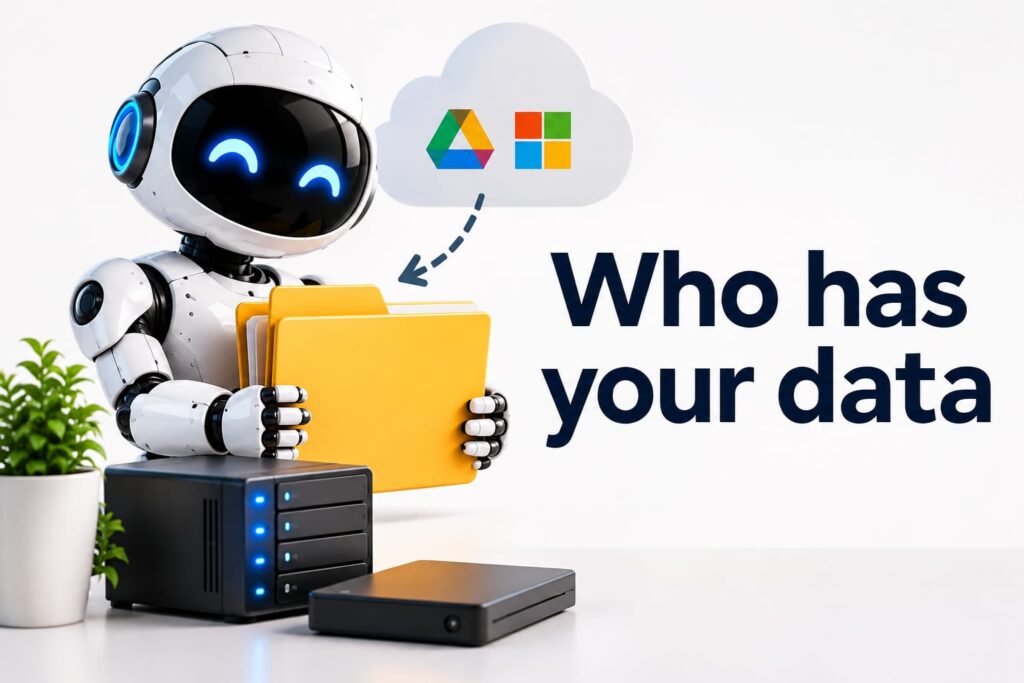
A consultant has ten years of project reports in cloud storage, email with client attachments, a contact list and a chatbot connected to both. Losing access to one account could disrupt much more than AI.

  •  

2 mins read

Three Doors Into AI: Uses, Risks, and Where Your Data Sleeps

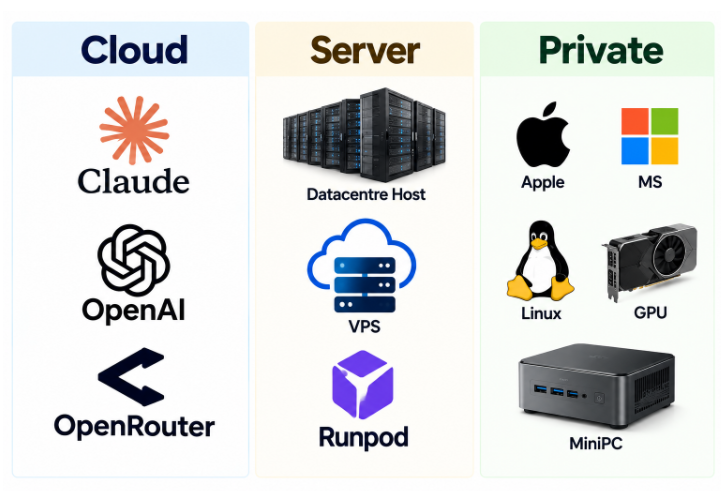
Once your archive is organized and cleaned, you face a real choice: where does your AI actually run? The landscape splits into three doors — Cloud, Server, and Private. Each is right for some jobs and dangerous for others.

  •  

< 1 min read

Digital Independence: Moving Beyond Google and Microsoft

If your email, documents, photographs, contacts and backups all sit with one provider, moving away can look impossible. Usually it is not impossible. It is just a job that needs to be broken into pieces.

  •  

< 1 min read

The Mostly-Free Stack: Private Services Instead of SaaS Subscriptions

Add up your subscriptions. AI tools, file storage, project management, document editing, password managers. For a small firm, SaaS fees are now a real line item — and they only move one direction.

  •  

< 1 min read

GitHub and the Free Software Economy: Why People Give Away Useful Tools

You do not have to be a programmer to benefit from GitHub. Think of it as a public workshop where people publish software projects, explain how they work, report faults and propose repairs.

  •  

< 1 min read

Getting Set Up: The Hardware Is the Easy Part

A common barrier for newcomers is not knowing where to start — it is knowing where to start. You do not need a server rack.

  •  

< 1 min read

CPU, GPU, NPU and RAM: What Actually Matters for AI?

When buying a computer for AI, four acronyms appear repeatedly: CPU (Central Processing Unit), GPU (Graphics Processing Unit), NPU (Neural Processing Unit) and RAM (Random Access Memory).

  •  

< 1 min read

The New Chips: Why Small Computers Are Becoming AI Machines

Start with the work, not the chip announcement. Do you want to search a private archive, classify public websites, draft reports, generate images or produce video?

  •  

< 1 min read

GPU Alternatives: Used Cards, Integrated Graphics, eGPUs and Shared Memory

Before buying a GPU (Graphics Processing Unit), allow for the learning curve. Setting up models, drivers, storage and backups takes time.

  •  

< 1 min read

Your AI Machine, Everywhere You Are

Connecting to your secure AI machine remotely may sound complex. It is not. With some training — and troubleshooting help from cloud AI assistants — allow time to learn and test the setup.

  •  

< 1 min read

AI Security: Two Rules That Cover Most of the Risk

You do not need a security degree to use AI safely. You need two habits. Rule one: don’t share.

  •  

< 1 min read

Prompt Injection: When a Document Tries to Give Your AI Orders

Prompt injection is an attempt to make an AI follow instructions hidden inside material it is supposed to analyse.

  •  

< 1 min read

Malicious Skills, Plugins and Downloads: When AI Tools Become Attackers

GitHub hosts enormous amounts of useful open-source software, including AI tools, model runners and agent skills. It also hosts projects that are unfinished.

  •  

< 1 min read

Why We Split AI Jobs Across VPS Machines to Reduce Attack Surfaces

Why put some work on a rented virtual private server, or VPS, when there is already a computer in the office?

  •  

2 mins read

Someone Asked Me: My Staff Keep Downloading AI Tools. I Don’t Know What’s Running in My Own Firm.

Welcome to shadow AI — the uncontrolled cousin of shadow IT. It’s happening in most firms right now, and the person asking is right to be uneasy.

  •  

2 mins read

Someone Asked Me: My Staff Want to “Vibe Code” Their Great Idea. What Is That?

Vibe coding: you describe what you want to an AI in plain language, it writes the code, and you keep adjusting by feel — “make the button bigger

  •  

< 1 min read

Lost Configurations: How We Broke Working Systems and What We Learned

One of the least glamorous problems in building our AI tools has been configuration drift. A service works on Monday, then a package update

  •  

< 1 min read

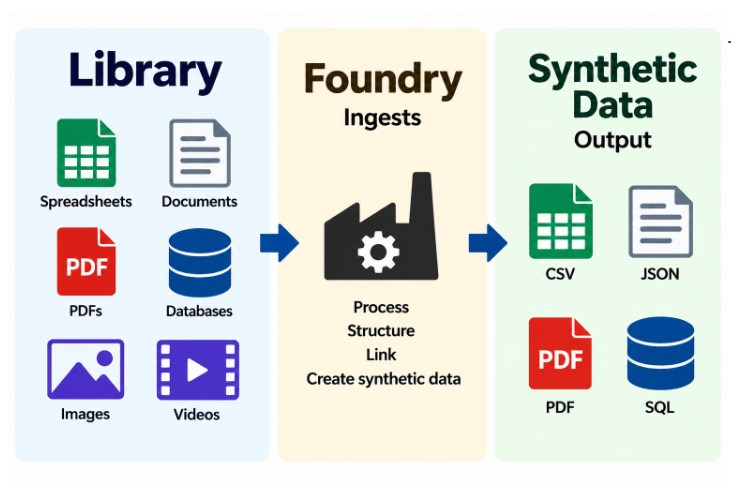
The Synthetic Data Foundry: From Archive to First Draft in Fifteen Seconds

Foundry began with a practical problem: how can a small consultancy reuse its own reports, spreadsheets and project experience without starting every assignment from a blank page?

  •  

< 1 min read

Someone Asked Me: What Does a Harness Actually Look Like? A Five-Person Practice, One Week

Consider a fictional five-person environmental consultancy responding to a tender for a carbon baseline. The response is due on Friday.

  •  

2 mins read

Someone Asked Me: How Do We Stop AI Outputs From Being Slop?

Slop is the word for it now: that grey, bloated, everyone-has-read-this-a-thousand-times prose AI produces by default.

  •  

< 1 min read

AI Liability: The Rules Are Being Written Right Now, and You’re Already Covered by Some of Them

When an AI-assisted report contains a wrong number, the professional signing it cannot simply blame the model.

  •  

< 1 min read

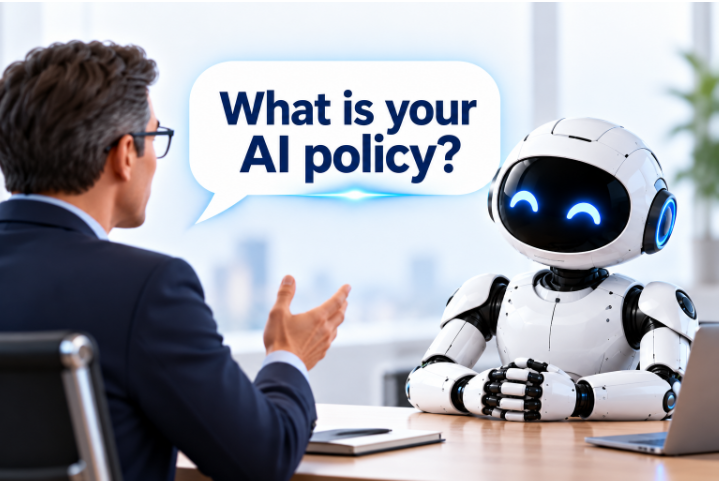
Your Client Asks: What Is Your AI Policy?

A client may be perfectly happy for you to use AI to format a report and deeply unhappy to discover that interview transcripts were uploaded to an external service.

  •  

< 1 min read

The Energy Question You’ll Get Asked

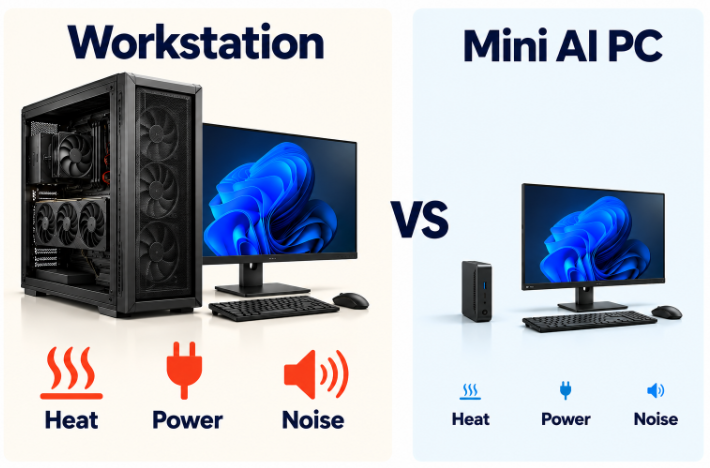
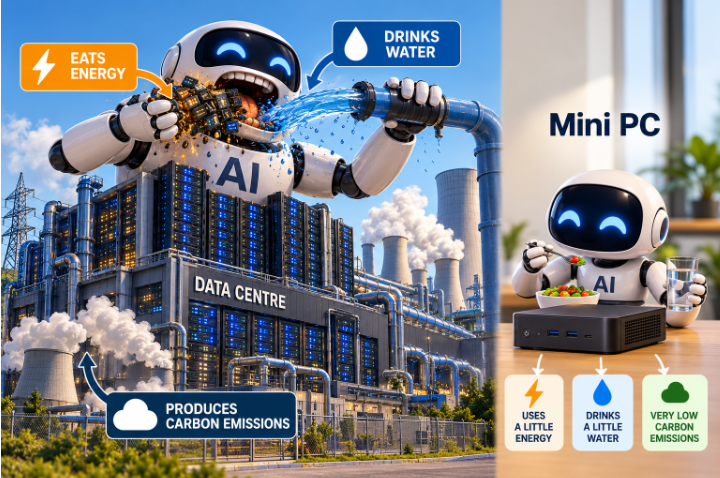
A consultant asks how much electricity a local AI machine uses. Rather than compare it vaguely with a data centre, calculate it.

  •  

< 1 min read

The Hidden Environmental Costs of AI: Energy, Water and Hardware

AI uses electricity, water and manufactured hardware. The footprint depends on what the system does, where it runs and how long it runs.

  •  

< 1 min read

Keeping Up With AI Without Chasing Every New Model

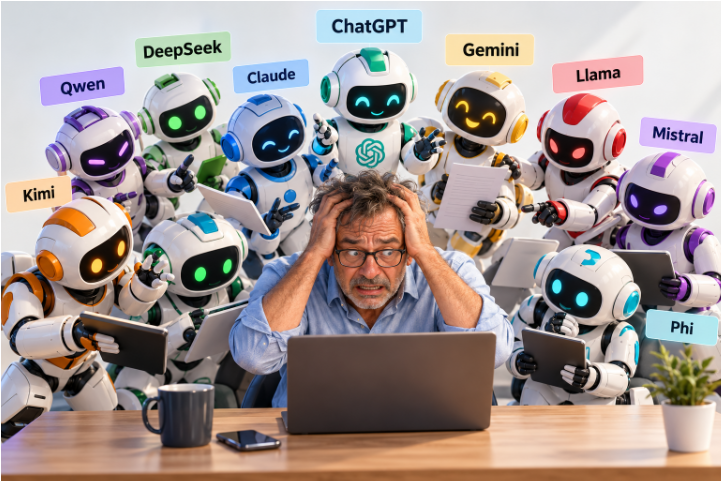
We track AI developments through use cases and lessons learned, not just model announcements. That gives professionals a way to decide whether a new tool deserves attention.

  •  

< 1 min read

Someone Asked Me: What Would It Actually Take to Transform a Five-Person Firm?

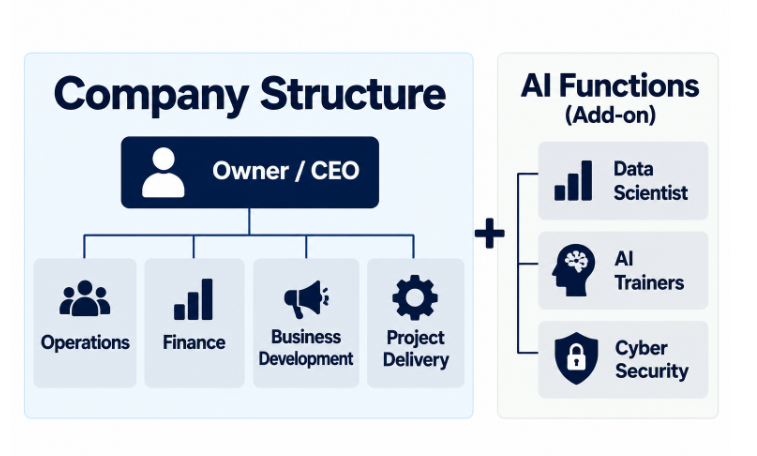
A five-person environmental consultancy does not need to buy a room full of equipment to begin using AI. It needs to decide what work is worth improving.

  •  

< 1 min read

What Can a Small Environmental Consultancy Actually Automate?

Imagine a five-person environmental consultancy monitoring regulatory notices across six countries. Each week an analyst visits ministry websites, checks publication dates, copies links into a spreadsheet and sends a short update.

  •  

< 1 min read

Writing a Useful AI Prompt for Environmental Work

A useful prompt gives the model a job, evidence and limits

  •  

< 1 min read

Ten Practical Steps Towards Digital Independence

Ten practical steps towards digital independence, with a small action for each.

  •  

6 mins read

Your AI Literacy Journey Continues With Planetary. Blue

We covered the practical AI questions environmental professionals are encountering: what models do, why citations can be wrong, how BIRI™ developed its environmental reference dataset, and where local computers, cloud services and rented GPUs fit.

  •  

2 mins read

Renewable Energy: A Solution to Climate Crisis

The climate crisis is one of the most pressing challenges of our time, and renewable energy presents a viable and sustainable solution. This shift from fossil fuels to renewable sources like solar, wind, hydro, and geothermal energy is essential to mitigate the effects of climate change.

  •  

2 mins read

The Impact of Carbon Emissions on Climate Change

The issue of carbon emissions and their significant impact on climate change is a critical global concern. Carbon emissions, primarily from burning fossil fuels, are the largest contributor to the greenhouse effect, leading to global warming and climate change.

  •  

2 mins read

The Global Challenge of Waste Management

Waste management is a critical global challenge that impacts environmental health, human well-being, and sustainability. As the world’s population grows and consumption patterns change, the amount of waste generated also increases, necessitating more effective and innovative waste management solutions.

  •  

2 mins read

Endangered Species: The Race Against Extinction

The race against extinction is a critical battle in preserving the planet’s biodiversity. Endangered species, those at a high risk of vanishing from our planet, are indicators of the health of our ecosystems. This article explores the causes, implications, and efforts surrounding the conservation of these precious life forms.

  •  

2 mins read

Soil Erosion: Causes and Prevention

Soil erosion, the wearing away of the topsoil, is a natural process exacerbated by human activities. It is a significant environmental issue affecting agriculture, water quality, and ecosystem stability.

  •  

2 mins read

AI in Environmental Conservation

Artificial Intelligence (AI) is revolutionizing the field of environmental conservation, offering innovative solutions to some of the most pressing environmental challenges. From monitoring wildlife populations to predicting climate change impacts, AI’s role in conservation is becoming increasingly vital.

  •  

2 mins read

Global Water Crisis: Scarcity and Solutions

The global water crisis is one of the most pressing issues of our time, characterized by the insufficient availability of safe, clean water for people around the world. This crisis affects not just human health and livelihoods but also the health of entire ecosystems.

  •  

2 mins read

The Shift to Renewable Energy Sources

The transition to renewable energy sources is a pivotal movement in the global effort to combat climate change and reduce our dependence on fossil fuels. This shift, driven by technological advancements, environmental awareness, and policy changes, is redefining how nations produce and consume energy.

  •  

2 mins read

Ocean Acidification and Its Consequences

Ocean acidification, often referred to as the ‘other CO2 problem’, is a less discussed but equally critical consequence of increased carbon dioxide emissions. This process is gradually altering the chemistry of the world’s oceans, posing significant threats to marine ecosystems and the human populations that depend on them.

  •  

2 mins read

Understanding Air Quality and Health

Air quality significantly impacts public health, environmental sustainability, and quality of life. Understanding the relationship between air quality and health is vital for developing strategies to reduce air pollution and protect public health.

  •  

2 mins read

Pesticides and Their Impact on the Environment

Pesticides, chemicals used to kill or control pests, play a significant role in modern agriculture and pest management. However, their widespread use raises serious environmental concerns. This article examines the impact of pesticides on the environment and the ongoing efforts to mitigate these effects.

  •  

21 mins read

Chemical Pollution Chat

Hello there! I’m your go-to source for understanding the intricate world of chemical pollution. I specialize in analyzing the effects of various pollutants like synthetic chemicals, heavy metals, and biocides on our environment.

  •  

4 mins read

Introduction to ESG

An introduction to ESG in an AI generated presentation.

  •  

2 mins read

Action on The Paris Agreement (Art 6 – Carbon Credits)

At COP29 in Baku, significant advances were made on Article 6 of the Paris Agreement which focused on advancing the structure for international carbon markets.

  •  

2 mins read

Do you need a Greenwashing Check

Greenwash Check – Rapid Assessment of risk and response to Greenwashing

  •  

2 mins read

The cost to maintain our blue planet

A break down on the yearly investment costs to keep our planet blue.

  •  

2 mins read

COP29 Climate Commitment and Its Impact

A short summary of the adequacy of recent climate talks – Why we should redeploy fossil fuel subsidies.

  •  

4 mins read

What Can I Do About My Vehicle’s Pollution?

Understanding your role in mitigating transport emissions is not as simple as getting an electric vehicle. There are a range of options available for drivers from after market upgrades to local solutions with limited performance guarantees.

  •  

5 mins read

Imagining the Waste Management options for a small town in South Asia

Looking at the options available to small towns and rural communities to manage their waste. Ways to make landfills last longer and support the local circular economy.
  •  

7 mins read

Oceanic Iron Fertilization – Good Idea? …Maybe….Maybe Not.

Let’s delve into Ocean Iron Fertilisation (OIF) and see the story is a lot more complicated but with potential payoffs if done in concert with other activities in a controlled manner with monitoring, feedback and intelligent control (AI).

  •  

2 mins read

How reliable is the data used to make decisions?

Introduction to the Bio-spheric Information Reliability Index (BIRI) used to rank the data quality from websites.

  •  

2 mins read

Six Ways Tariffs Can Serve the Planet

Tariff initiated trade wars can have unintended consequences. Here are six possible positive outcomes at the disposal of policy makers.

  •  

5 mins read

Rewilding of Reef Fish: Restoring Marine Ecosystems

Rewilding increases the vibrancy of our marine ecosystems. The technique can repair damage done by human and storm impacts.

  •  

3 mins read

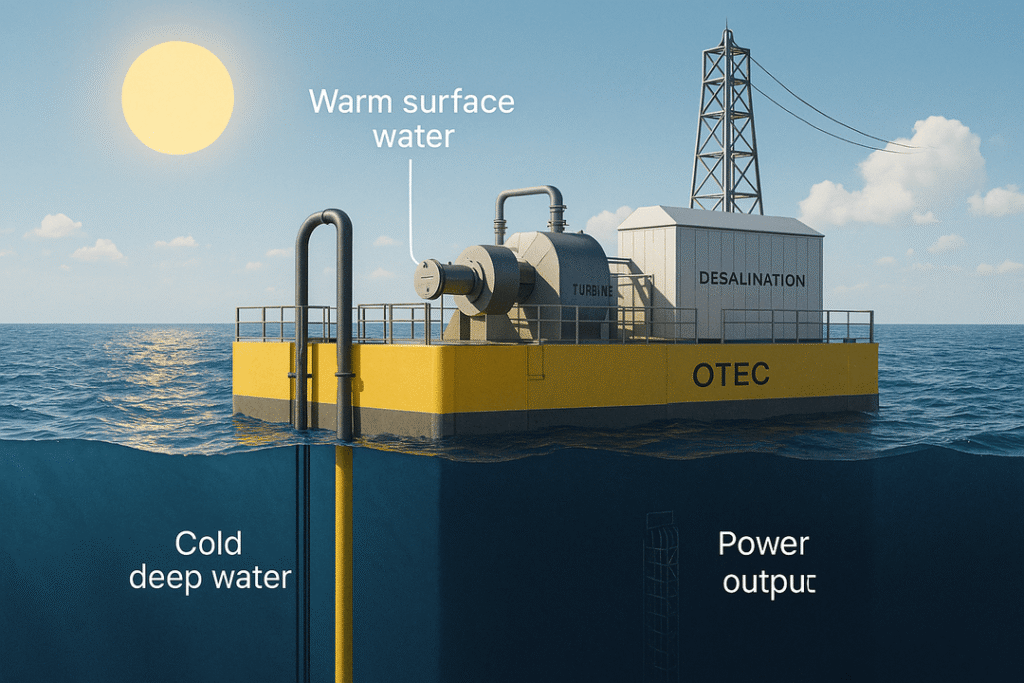
Ocean Thermal Electric Conversion (OTEC) State of Play

Ocean Thermal Electric Conversion (OTEC) is making a comeback as our attention moves to protecting the ocean and harnessing its power. We examine the state of play for OTEC.

  •  

3 mins read

How AI Training Gets Doped—and How BIRI Can Help Clean It Up

AI training data is compromised. BIRI can help clean out the misinformation.

  •  

4 mins read

The Missing Quality Layer in the Age of AI

There is a layer missing in our information stack. AI struggles with quality signals.