All News

  •  

< 1 min read

Ten Practical Steps Towards Digital Independence

Ten practical steps towards digital independence, with a small action for each.

  •  

6 mins read

Your AI Literacy Journey Continues With Planetary. Blue

We covered the practical AI questions environmental professionals are encountering: what models do, why citations can be wrong, how BIRI™ developed its environmental reference dataset, and where local computers, cloud services and rented GPUs fit.

  •  

2 mins read

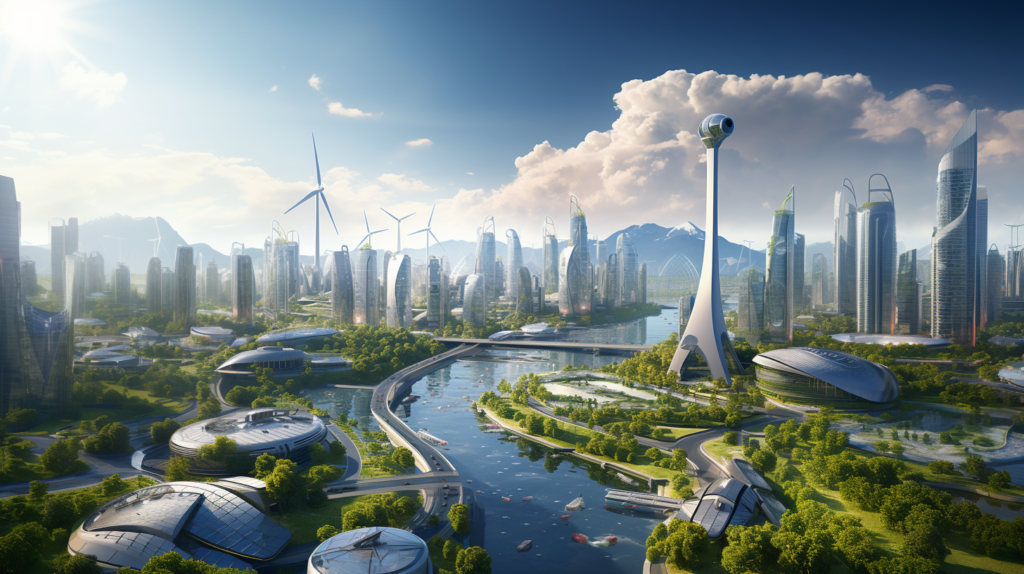
Renewable Energy: A Solution to Climate Crisis

The climate crisis is one of the most pressing challenges of our time, and renewable energy presents a viable and sustainable solution. This shift from fossil fuels to renewable sources like solar, wind, hydro, and geothermal energy is essential to mitigate the effects of climate change.

  •  

2 mins read

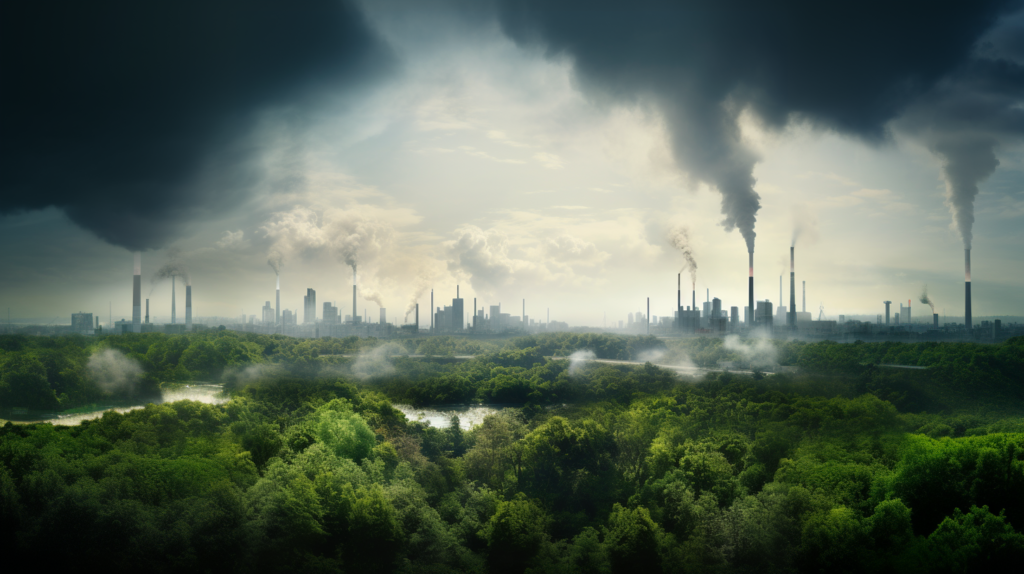
The Impact of Carbon Emissions on Climate Change

The issue of carbon emissions and their significant impact on climate change is a critical global concern. Carbon emissions, primarily from burning fossil fuels, are the largest contributor to the greenhouse effect, leading to global warming and climate change.

  •  

2 mins read

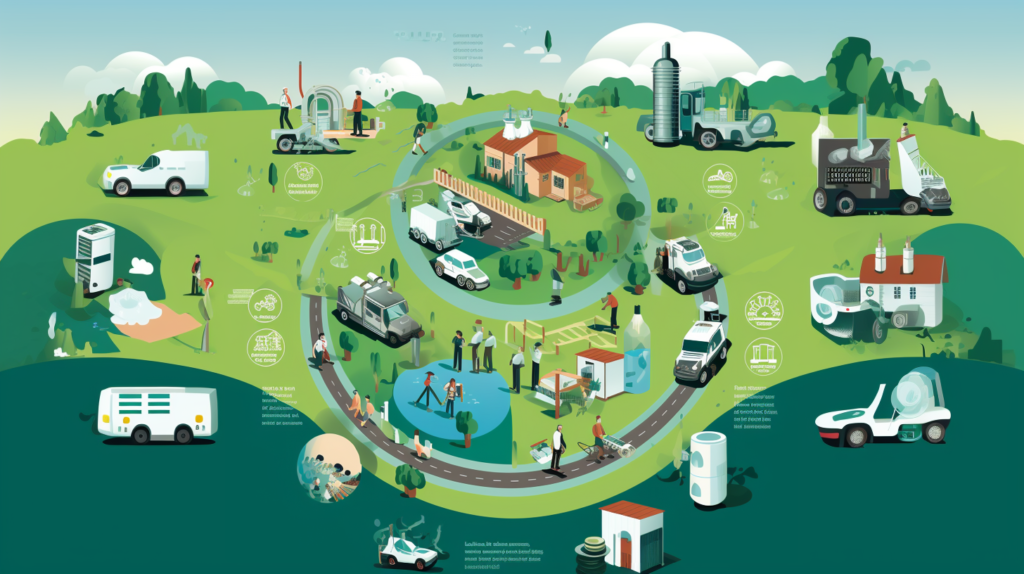
The Global Challenge of Waste Management

Waste management is a critical global challenge that impacts environmental health, human well-being, and sustainability. As the world’s population grows and consumption patterns change, the amount of waste generated also increases, necessitating more effective and innovative waste management solutions.

  •  

2 mins read

Endangered Species: The Race Against Extinction

The race against extinction is a critical battle in preserving the planet’s biodiversity. Endangered species, those at a high risk of vanishing from our planet, are indicators of the health of our ecosystems. This article explores the causes, implications, and efforts surrounding the conservation of these precious life forms.

  •  

2 mins read

Soil Erosion: Causes and Prevention

Soil erosion, the wearing away of the topsoil, is a natural process exacerbated by human activities. It is a significant environmental issue affecting agriculture, water quality, and ecosystem stability.

  •  

2 mins read

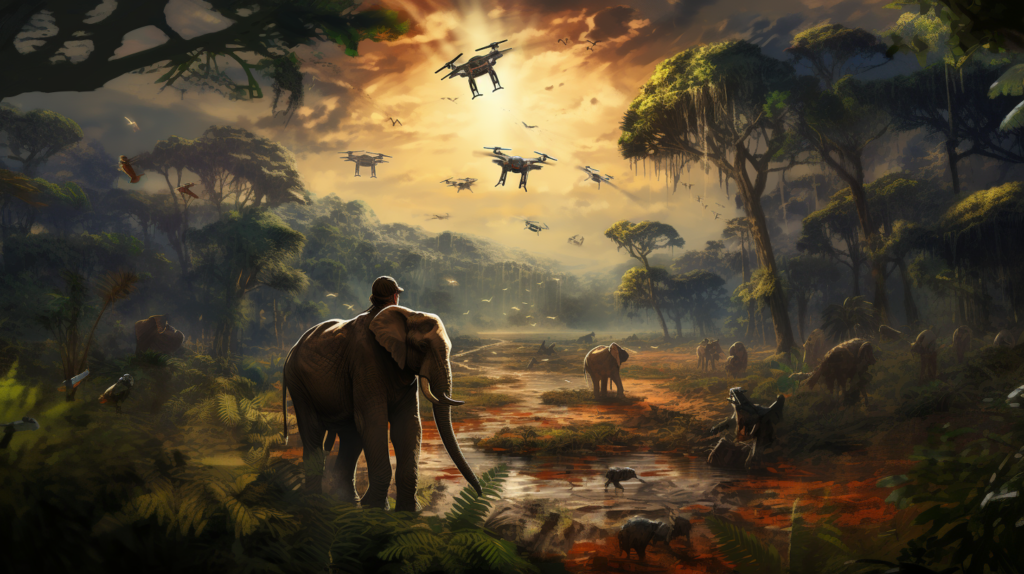
AI in Environmental Conservation

Artificial Intelligence (AI) is revolutionizing the field of environmental conservation, offering innovative solutions to some of the most pressing environmental challenges. From monitoring wildlife populations to predicting climate change impacts, AI’s role in conservation is becoming increasingly vital.

  •  

2 mins read

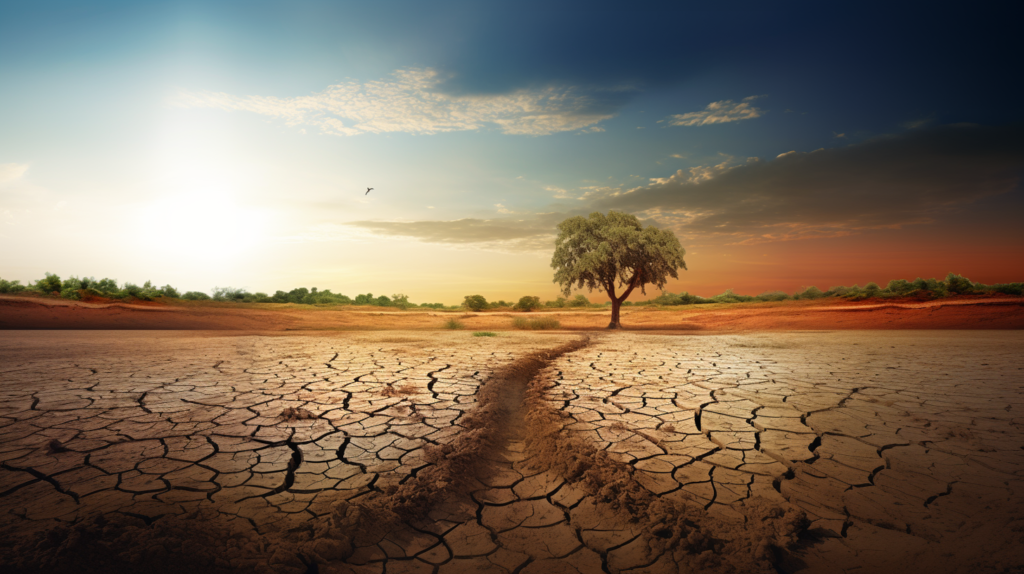
Global Water Crisis: Scarcity and Solutions

The global water crisis is one of the most pressing issues of our time, characterized by the insufficient availability of safe, clean water for people around the world. This crisis affects not just human health and livelihoods but also the health of entire ecosystems.

  •  

2 mins read

The Shift to Renewable Energy Sources

The transition to renewable energy sources is a pivotal movement in the global effort to combat climate change and reduce our dependence on fossil fuels. This shift, driven by technological advancements, environmental awareness, and policy changes, is redefining how nations produce and consume energy.


  •  

2 mins read

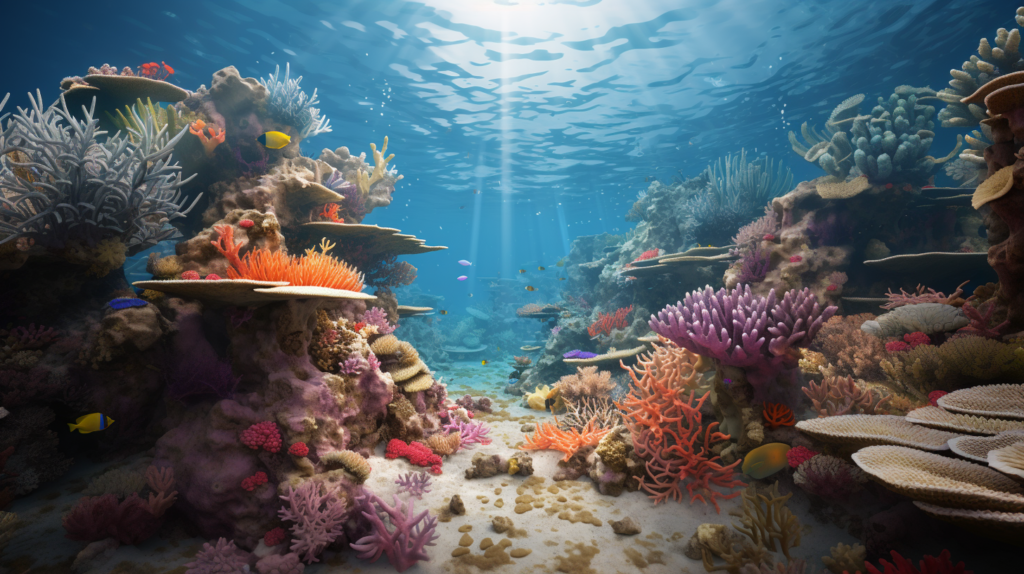
Ocean Acidification and Its Consequences

Ocean acidification, often referred to as the ‘other CO2 problem’, is a less discussed but equally critical consequence of increased carbon dioxide emissions. This process is gradually altering the chemistry of the world’s oceans, posing significant threats to marine ecosystems and the human populations that depend on them.

  •  

2 mins read

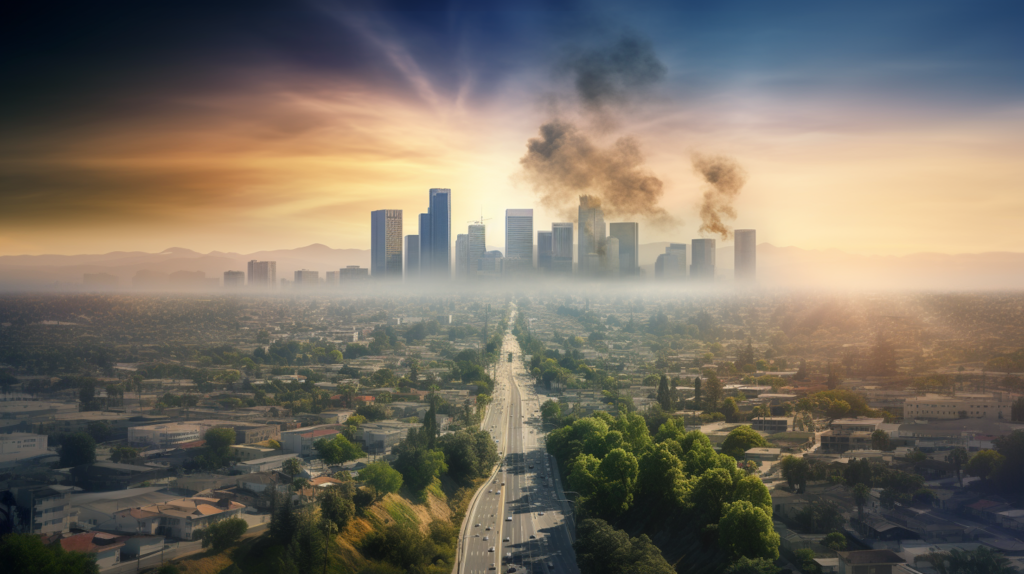
Understanding Air Quality and Health

Air quality significantly impacts public health, environmental sustainability, and quality of life. Understanding the relationship between air quality and health is vital for developing strategies to reduce air pollution and protect public health.