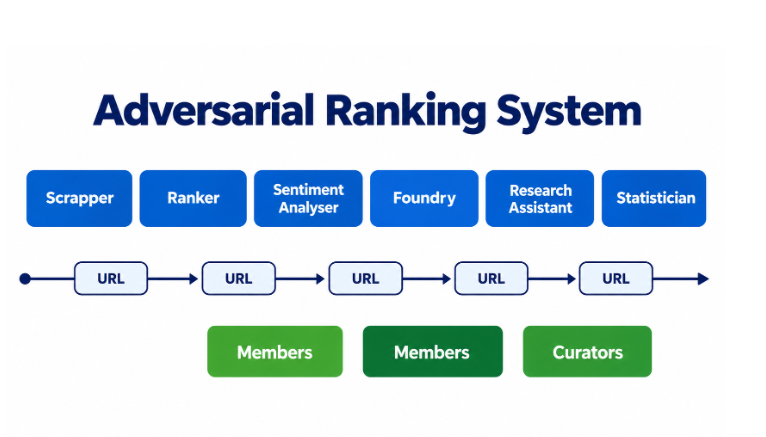
Once we had a large list of candidate domains, we needed to decide which were actually relevant to the environmental field. We did not ask AI to perform vaguely defined “repetitive tasks”. We tasked an agent with ranking domains against a defined set of parameters.
For example, a website selling water-quality instruments is clearly connected to environmental monitoring. A general electronics shop selling one water meter may be less relevant. A university may have a substantial climate research programme even though its home page is not primarily environmental. A domain’s name alone is not enough.
The ranking agent evaluates available public information against the agreed relevance criteria and produces a result for review. Software can also handle exact duplicates and broken links without requiring an AI model. Those mechanical checks are separate from the agent’s judgement.
Crucially, this is not BIRI™ curation. The agent’s relevance ranking helps organise the candidate pool; it does not confer an official source-reliability rating. Human curators apply the BIRI™ curation process, considering evidence and context that a simple relevance score cannot settle.
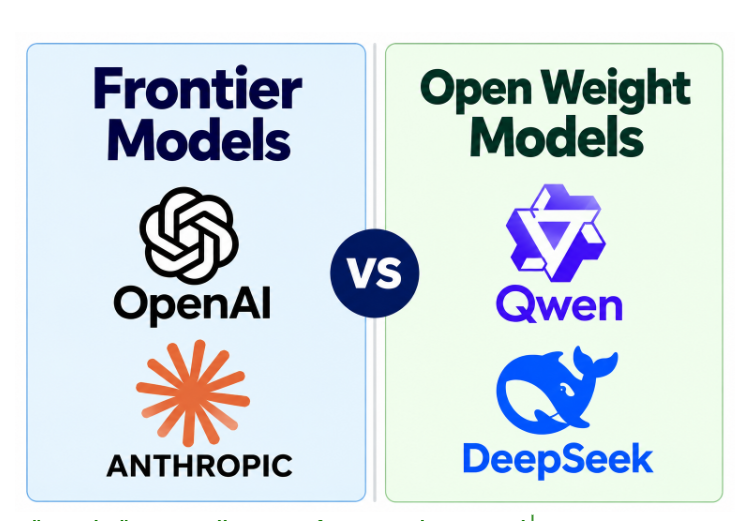
This division made it practical to work with a large collection without paying frontier-model prices for every record. It also makes disagreements useful: an automated result can be challenged rather than quietly treated as fact.
For a professional building a supplier or research directory, the same distinction matters. Discovery identifies candidates. Ranking orders them. Curation decides what judgement the directory is prepared to stand behind.