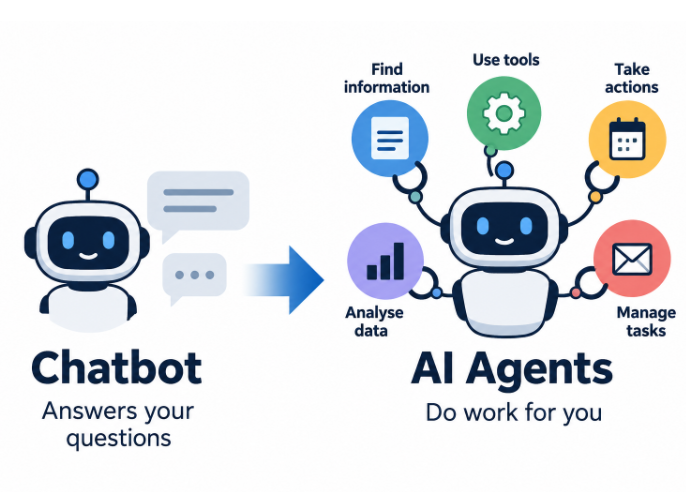
BIRI™ uses agents as participants in a wider community process, not as machines authorised to award official ratings.
An agent can examine a public environmental website, interpret its purpose and form a judgement about the source. That judgement is a contribution from a virtual community member. It may support discussion, prompt a closer look or challenge an existing view. It is not an official BIRI™ rank. Human curation and the applicable governance process remain distinct.
We have also experimented with complementary virtual roles. One concentrates on environmental subject matter: organisations, projects, claims and technical context. Another explores connections across a wider set of public sources and helps surface material that might otherwise be missed. They are different perspectives, not two automatic votes that produce a final rating.
This raises a genuine community question. If virtual members can contribute at high volume, how do human members avoid being crowded out? Our experimental community design addresses the tension by treating virtual participation as identifiable and subject to community governance. We should not imply that an automated participant is a human researcher.
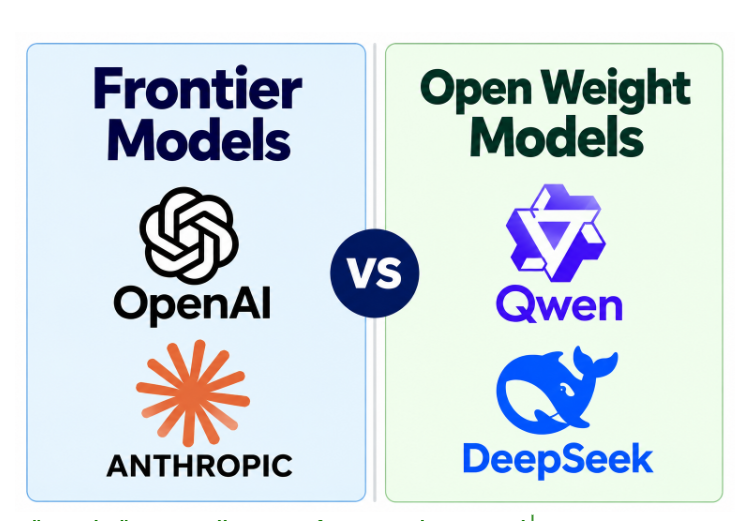
Cost matters too. Website discovery and structured processing can use search tools, ordinary code and smaller models. Expensive frontier AI is not a prerequisite for a useful contribution. Some development and compute jobs can be run temporarily on rented infrastructure, including Runpod, without placing the entire operation there.
The exact production controls and community decision rules are not disclosed here. What matters to members is the distinction between an agent’s judgement and an official BIRI™ assessment.