Add up your subscriptions. AI tools, file storage, project management, document editing, password managers. For a small firm, SaaS fees are now a real line item — and they only move one direction.
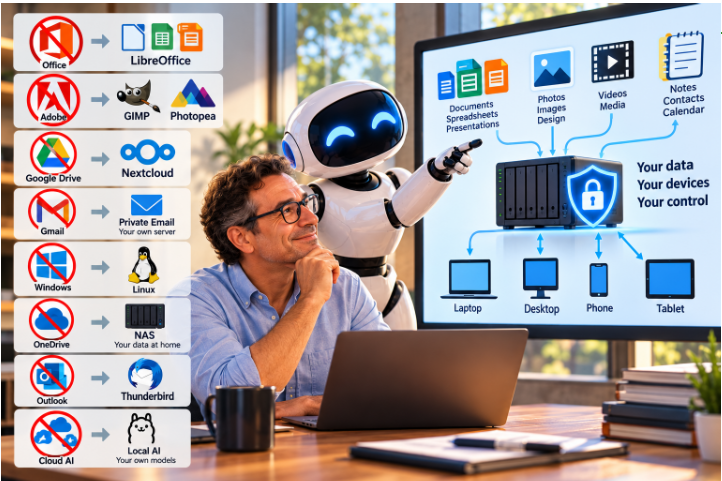
There is another way. Most of what you pay for has a private, mostly free equivalent. The models are open. The tools are open. The network software is open. You can run a capable stack for the cost of a mini PC and the electricity to feed it.
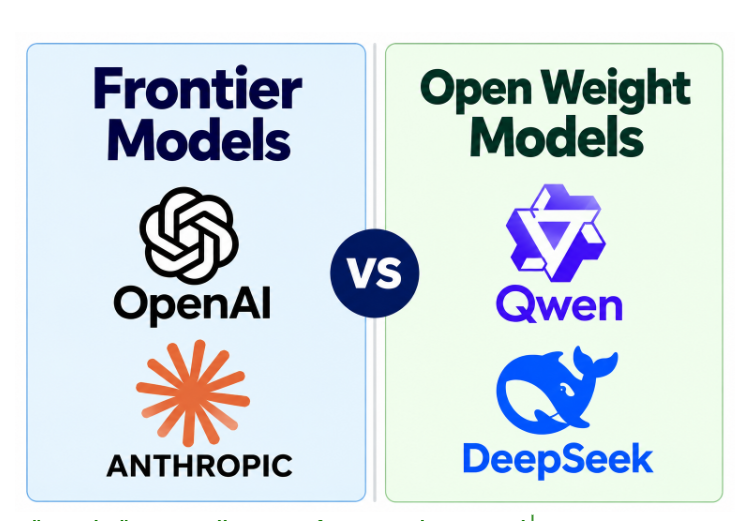
AI inference runs locally through Ollama or LM Studio — no per-token fees, no usage caps. Tailscale connects your devices for free. File sync, document editing, databases, dashboards — open projects exist for all of them, battle-tested and continuously improved. Your monthly software bill drops toward zero. Your data stays on hardware you own.
The tradeoff is: you trade money for time. Nobody bills you, but you configure, update, and occasionally fix things yourself. The learning curve is real. But it is front-loaded — the setup weekend pays for itself every month after. And unlike a subscription, knowledge compounds. Every hour you invest makes you less dependent, not more.
The practical issue is what “free” actually means here. Free as in no invoice, and free as in no lock-in. When a SaaS vendor raises prices or changes terms, you pay or you leave — and leaving costs more. When your stack runs on open tools, you can leave any piece of it at any time. That option has value no subscription includes.
Small firms get pushed into paid SaaS because it is the default. Planetary.Blue exists to make the private option practical: tested configurations, working tools, and people who run this stack daily. Explore BIRI™ if you want the map.