Consider a fictional five-person environmental consultancy responding to a tender for a carbon baseline. The response is due on Friday. This is an illustration of the Foundry design, not a record of work completed by a client.
On Monday the coordinator registers the terms of reference and identifies the permitted source folders. The system would search earlier proposals and reports, identify relevant sections and produce a draft outline with links back to the originals. If a source cannot be traced, it should not appear as a verified citation.
On Tuesday a consultant checks the proposed methodology and the scope. An agent might flag that the staffing plan conflicts with the timetable. The consultant decides whether the warning is valid and revises the proposal.
On Wednesday the analyst checks emissions factors and legal references against current primary sources. BIRI™ can provide context about public source reliability, but it cannot approve the final figures.
On Thursday the director reviews the price, commitments and client-specific risks. The coordinator formats the response and retains a record of the changes. On Friday the team submits only if the human review is complete.
There is no defensible claim yet that this saves a particular number of hours or doubles the firm’s bidding capacity. Those results would require controlled trials and records of actual assignments.
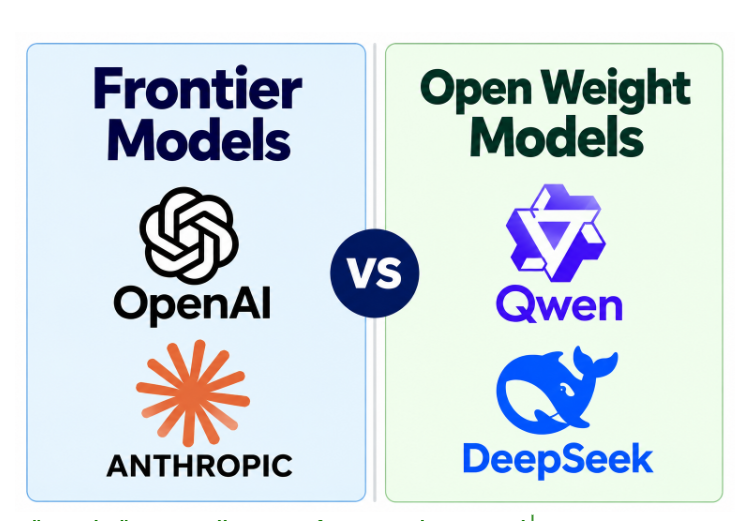
The model is interchangeable. The harness is yours. But a harness earns its place only when it produces traceable work and survives the failures that occur outside a demonstration.